
Buying a farmhouse with land in Maharashtra can be an exciting way to own a peaceful property away from city life. Families from Mumbai, Pune, Nashik, and other cities often look for such properties for weekend stays, family gatherings, farming, retirement plans, or long-term investment.
However, buying a farmhouse is very different from buying an apartment or a ready residential house. The land may come under agricultural or non-agricultural rules, construction may require specific approvals, and ownership records need to be checked carefully..
This guide explains how to buy a farmhouse with land in Maharashtra in simple language, including legal checks, budgeting, the buying process, and common mistakes to avoid.
What Does a Farmhouse with Land Mean?
A farmhouse with land in Maharashtra generally means a property where a house or farmhouse structure is located on or alongside a larger parcel of land.
The land may be:
- Agricultural land
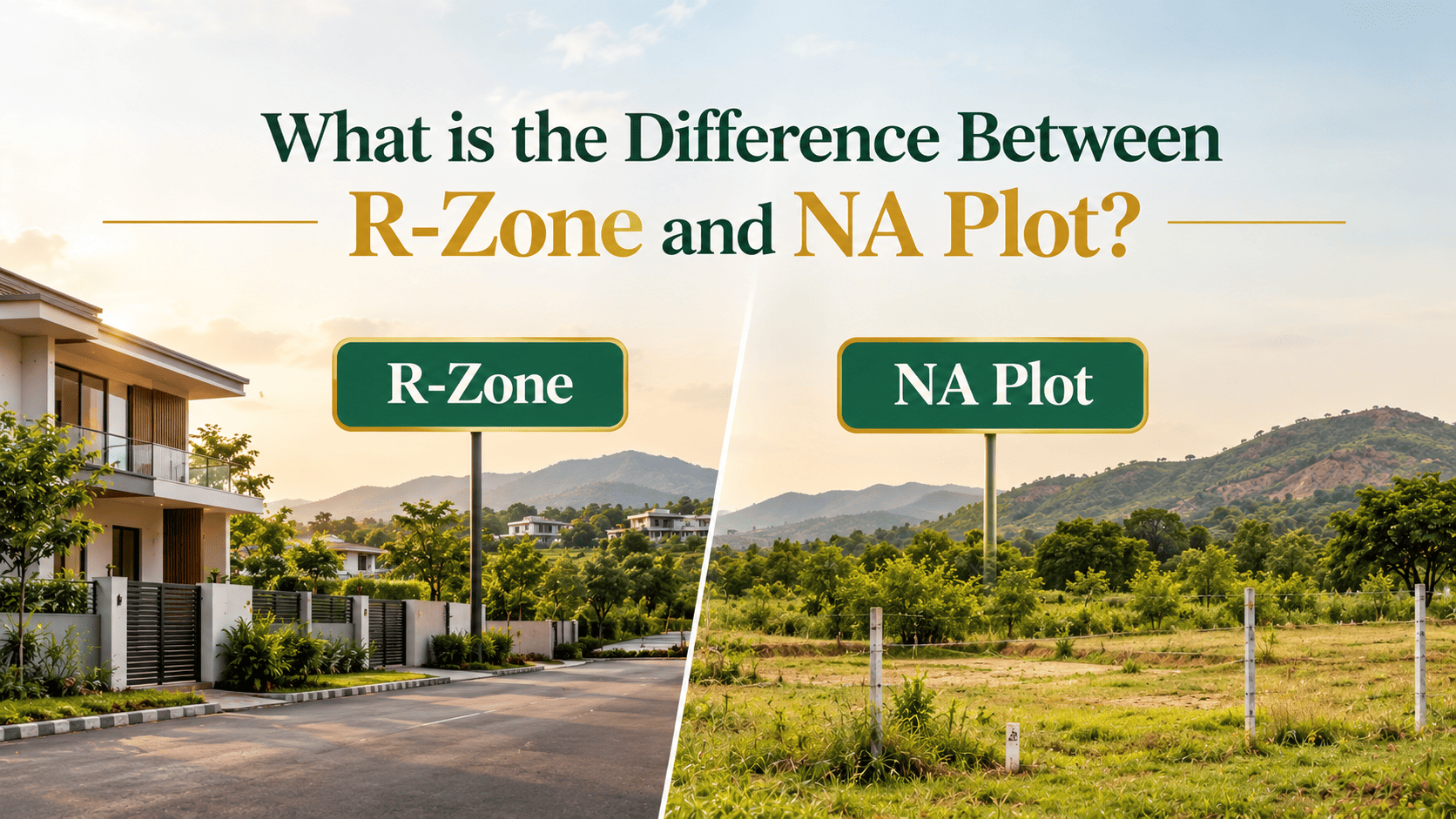
- Non-agricultural (NA) land
- Part of an approved plotted development
- Part of a gated community
The important point is that the word “farmhouse” does not automatically tell you what you can legally do with the property.
For example, a building used for agricultural purposes is different from a house intended mainly for weekend or recreational use. The permitted use depends on the land classification, planning rules, and applicable approvals.
Can You Buy Agricultural Land for a Farmhouse in Maharashtra?
- This is one of the first things you should check.
- Agricultural land in Maharashtra can be subject to specific purchase and transfer restrictions.
- Your eligibility to buy a particular parcel may depend on your circumstances and the applicable law.
So, before finalising a property, confirm with a qualified local property lawyer:
- Whether you are legally eligible to purchase the land
- Whether the property is agricultural or NA
- Whether there are restrictions on transfer
- What activities are permitted on the land
- Whether the proposed farmhouse can legally be constructed or used
Do not depend only on statements from the seller, broker or developer.
Complete Steps for Buying a Farmhouse with Land in Maharashtra
Follow these simple steps to check the property, verify documents, plan your budget, and safely complete your farmhouse purchase in Maharashtra.
Step 1: Decide How You Plan to Use the Property
Before searching for properties, be clear about your purpose.
Ask yourself whether you want the property for:
- Weekend stays
- Family holidays
- Farming
- A second home
- Retirement
- Rental income
- Agro-tourism or another commercial activity
- Your intended use can affect the type of property and permissions you need.
- For example, a property meant for genuine agricultural use may be treated differently from one intended for regular residential or commercial use.
Step 2: Select a Location That You Can Actually Visit
The best farmhouse location is not always the one with the most beautiful scenery. It should also be convenient enough for you to use regularly.
Popular areas around Maharashtra include:
Near Mumbai
- Karjat
- Lonavala
- Khandala
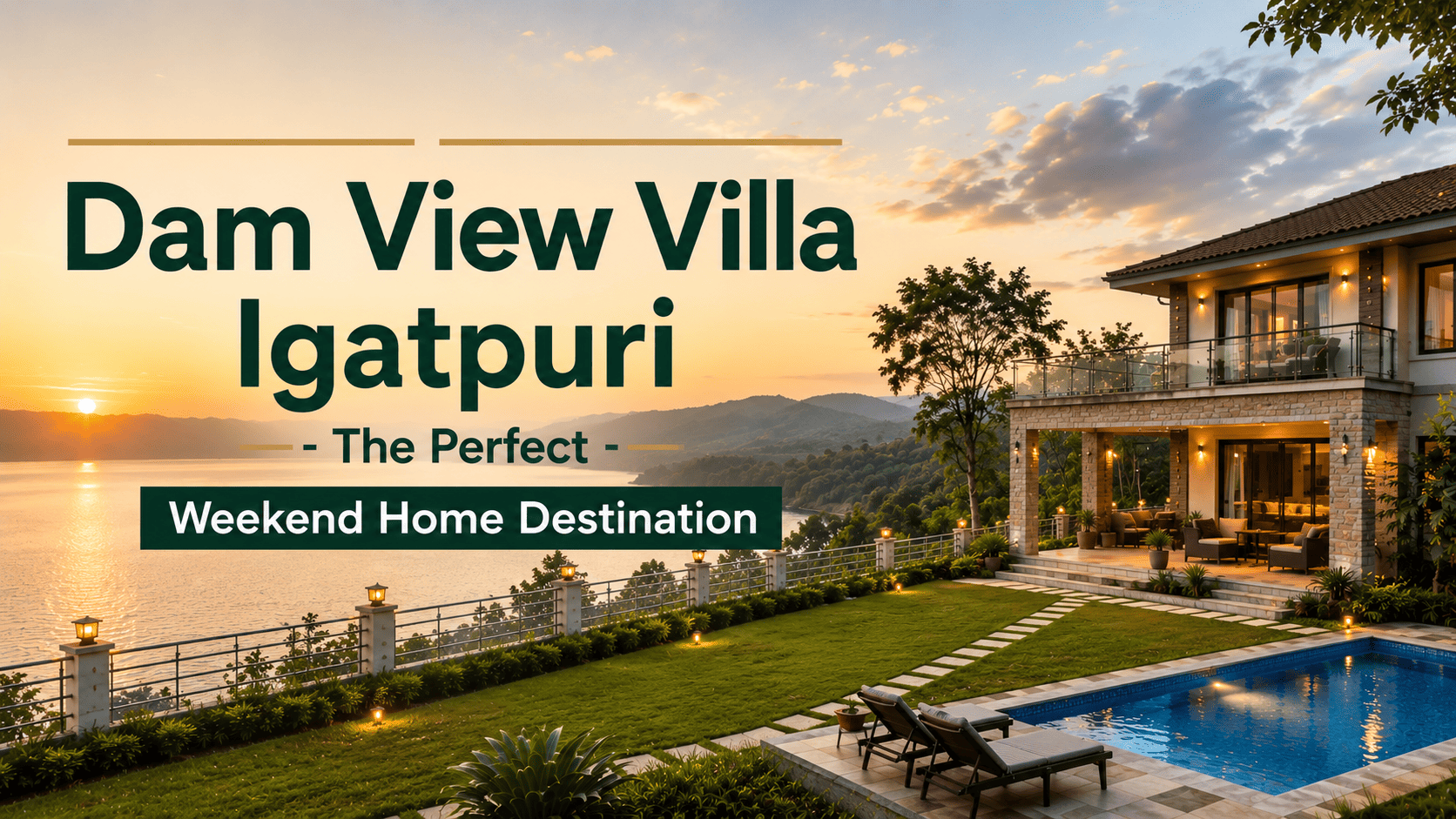
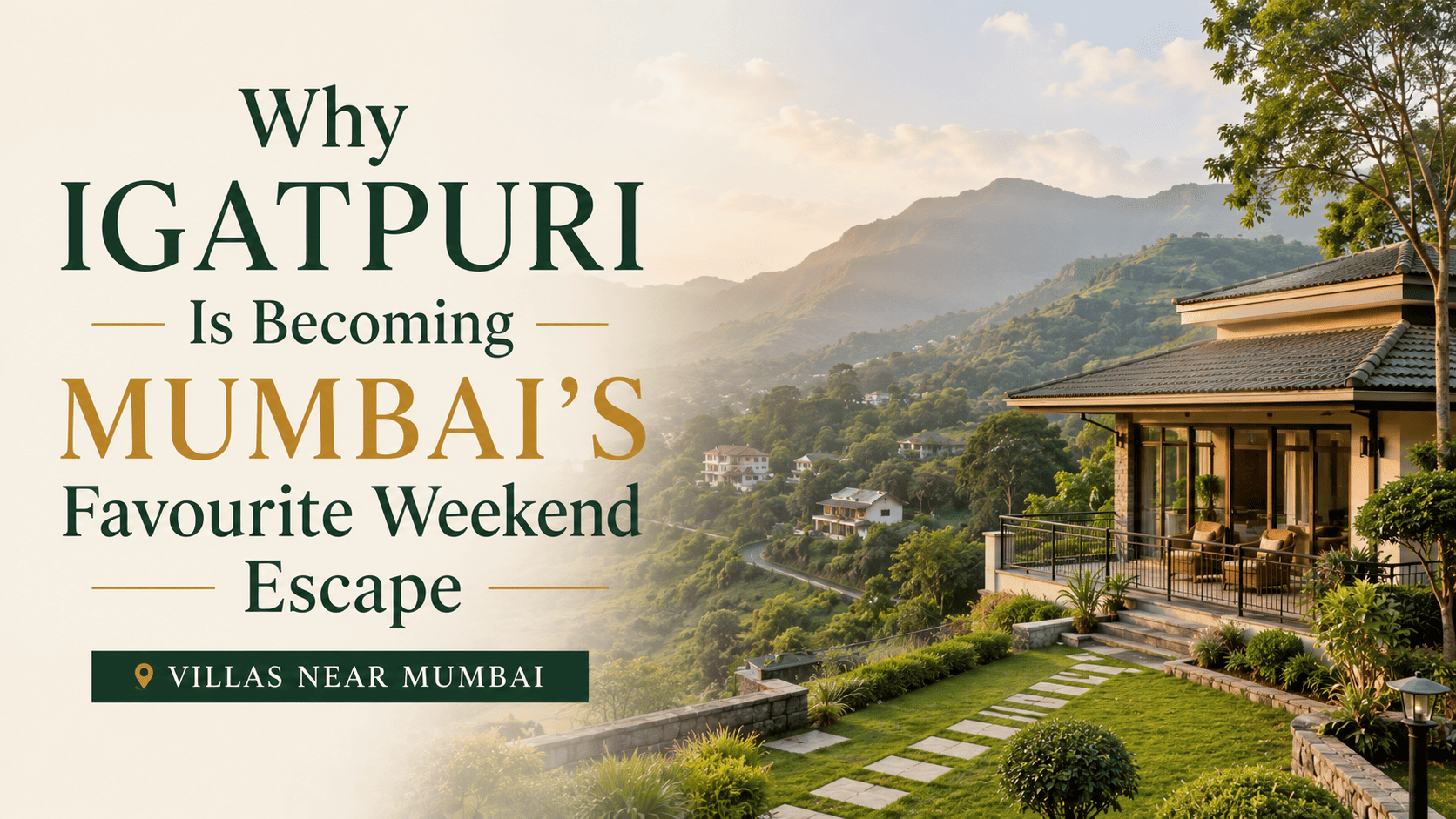
- Igatpuri
- Wada
- Selected areas around Bhiwandi
Near Pune
- Mulshi
- Bhor
- Velhe
- Panshet
- Lonavala side
Other Popular Regions
- Nashik
- Igatpuri
- Konkan
- Scenic areas of western Maharashtra
Important Location Factors
|
Travel time |
Helps you visit regularly |
|
Road condition |
Important during monsoon |
|
Water availability |
Essential for year-round use |
|
Electricity |
Needed for daily comfort and security |
|
Medical facilities |
Important for families and senior citizens |
|
Nearby markets |
Useful for groceries and essentials |
|
Mobile network |
Important for communication |
|
Internet |
Useful for remote work |
|
Future development |
May influence property value |
A farmhouse that takes too much time and effort to reach may end up being used only a few times a year.
Step 3: Shortlist the Property and Check the Basics
- Once you find a property that interests you, collect the basic details before discussing the final price.
Check:
- Total land area
- Survey or Gat number
- Type of land
- Existing structure
- Access road
- Water source
- Electricity connection
- Property boundaries
- Nearby development
You should also confirm exactly what is included in the sale.
Step 4: Check the Ownership and Title Carefully
- This is one of the most important parts of the entire purchase.
- Before buying a farmhouse with land in Maharashtra, you need to know who legally owns the property and whether there are any claims or restrictions on it.
Ask a property lawyer to examine:
- Current ownership
- Previous ownership
- Sale deeds
- Mutation records
- Existing mortgages
- Court disputes
- Government claims
- Other encumbrances
A property may appear perfectly fine but still have title-related problems that become visible only during resale or financing.
Important Land Records to Check
Check important land records like the 7/12 extract, 8A extract, property card, and mutation records to confirm ownership and avoid legal issues before buying.
7/12 Extract
The 7/12 extract (Satbara) is an important land record in Maharashtra. Buyers should review the details recorded in it and compare them with the seller's documents.
8A Extract
The 8A record provides additional information related to the landholding or account.
Property Card
For properties where a property card applies, this document should also be reviewed.
Mutation Records
- Mutation entries help you understand changes recorded in ownership or other rights over time.
- These documents should be checked together rather than relying on only one record.
Step 5: Understand the Land Use Before Construction
- This is where buyers need to be especially careful.
- If the land is agricultural, you should not assume you can construct a regular weekend house simply because the seller calls it a farmhouse.
The permitted use can depend on:
- Land classification
- Development Plan
- Regional Plan
- Local planning authority
- Applicable land-use rules
- Existing permissions
- Proposed construction
Before construction, ask a local architect and property lawyer to confirm exactly what is permitted on that parcel.
Agricultural Use vs Residential Use
A farm building connected with agricultural use is not automatically the same as a residential weekend villa.
Before building, confirm:
- Permitted use
- Construction permission
- Development permission
- FSI
- Setbacks
- Height restrictions
- Building footprint
- Road access requirements
Never start construction based on a verbal statement such as “permission can be taken later.”
Step 6: If a Farmhouse Already Exists, Check Its Legality
- Buying an existing farmhouse does not mean the building is automatically approved.
- Ask for documents that establish the legal status of the structure, wherever applicable.
Check:
- Building permission
- Development approval
- Completion or occupancy documents
- Land-use permissions
- Tax records
- Electricity records
- Any regularisation documents
An old structure may still have documentation issues, so always verify before purchasing.
Step 7: Check Special Land Restrictions
- Some land parcels may have additional restrictions because of their location or environmental status.
- Before buying, check whether the property falls within or near:
- Forest land
- Eco-sensitive areas
- Coastal Regulation Zone (CRZ), where applicable
- Wildlife-related restricted areas
- Flood-prone zones
- Other restricted or regulated zones
- A property with a beautiful natural location may have additional restrictions on construction or use.
Step 8: Prepare the Complete Budget
- One of the biggest mistakes buyers make is looking only at the asking price.
- Your actual budget can include several additional expenses.
|
Property Price |
Land and existing farmhouse |
|
Stamp Duty & Registration |
Government transaction charges |
|
Legal Fees |
Document and title verification |
|
Construction |
New structure or extension |
|
Renovation |
Repairs and upgrades |
|
Boundary Work |
Compound wall, fencing and gate |
|
Water Setup |
Borewell, tank, pump and filtration |
|
Electricity |
New connection and backup |
|
Landscaping |
Garden, lawn and pathways |
|
Furniture |
Beds, sofa, appliances and other items |
|
Security |
CCTV, locks and caretaker |
|
Maintenance |
Regular repairs and upkeep |
Keep an additional 10-15% buffer for unexpected expenses.
Step 9: Visit the Property Personally
- Never make the final decision based only on photos. Visit the property yourself.
- Ideally, visit more than once.
During Your Site Visit, Check:
- Approach road
- Actual plot boundaries
- Water source
- Electricity
- Drainage
- Slope of the land
- Nearby houses
- Noise
- Mobile network
- Internet
- Distance to the nearest market
- Nearby medical facilities
For locations affected by heavy monsoon, pay special attention to drainage, waterlogging and road access.
Talk to Local People
Speaking with nearby residents can give you information that a brochure may not mention.
Ask about:
- Water shortage in summer
- Flooding during monsoon
- Road problems
- Electricity interruptions
- Boundary disputes
- Local development
- Past issues with the property
This simple step can help you identify potential problems early.
Step 10: Complete the Documentation and Registration
After legal verification and price negotiation, the sale should be properly documented.
Generally, the process includes:
- Finalising the terms of the transaction.
- Preparing the agreement or sale deed.
- Paying the applicable government charges.
- Registering the document with the appropriate authority.
- Completing mutation and related land-record updates.
- Keeping copies of all documents.
Keep both physical and digital copies of important paperwork.
Documents You Should Ask For
Before making the final payment, ask to see the documents relevant to the particular property.
|
Document |
Purpose |
|
7/12 Extract |
Land and recorded holder information |
|
8A Extract |
Holding/account information |
|
Property Card |
Relevant for applicable properties |
|
Current Sale Deed |
Current ownership transaction |
|
Previous Sale Deeds |
Ownership history |
|
Mutation Entries |
Changes in ownership/rights |
|
NA/Conversion Documents |
Where applicable |
|
Building Permission |
Approval for existing construction |
|
Completion/Occupancy Documents |
Where applicable |
|
Tax Receipts |
Check dues and payments |
|
Layout Approval |
Important in plotted developments |
|
Project Documents |
For farmhouse communities |
|
RERA Details |
Where applicable |
If any document is missing, unclear, or inconsistent, stop and get it explained before proceeding.
Final Checklist Before Buying
Before you complete the purchase, make sure you have checked:
- Property title
- 7/12 and 8A records, where applicable
- Property Card, where applicable
- Mutation records
- Buyer eligibility for agricultural land, where relevant
- Land-use status
- Construction permissions
- Access road
- Water supply
- Electricity
- Local restrictions
- Taxes and dues
- Project approvals
- RERA details, where applicable
Conclusion
A farmhouse with land in Maharashtra can give you much more than a weekend escape. It can become a place for family time, farming, retirement planning, and long-term property ownership. The most important things are clear ownership, correct land use, proper construction permissions, reliable access, water availability, and a realistic budget.
Want to build a peaceful farmhouse away from the busy city? Nature Wealth's Nature Crest at Aswali Harsh, Trimbakeshwar offers a nature-focused setting spread across 13 acres, with 34 NA farmhouse plots ranging from 5,000 to 7,000 sq. ft.
Each plot gives you enough space to plan a comfortable farmhouse with gardens, outdoor seating, and other features based on your needs. Surrounded by greenery and peaceful natural surroundings, Nature Crest is ideal for families looking for a weekend home, second home, or long-term property investment where they can enjoy quality time away from city noise.
FAQS
1. How much land is required to build a farmhouse?
The required land size depends on local rules, but many farmhouse projects start from around 1 acre or more.
2. What is the ideal size of a farmhouse?
A practical farmhouse is often around 1,700–2,400 sq. ft., depending on plot size, family needs, and local regulations.
3. What is the difference between farmhouse land and agricultural land?
Agricultural land is mainly meant for farming, while a farmhouse is a residential or leisure structure built according to permitted land-use rules.
4. Can I build a farmhouse on agricultural land in India?
You cannot assume a residential farmhouse can be built on agricultural land; construction must comply with the applicable state land-use and permission rules





.png)
.png)












.png)

.png)



_(1).png)