.png)
Buying a home is one of the biggest decisions for any family. Many people search "what are the different types of homes" because they want to choose a home that suits their lifestyle, budget, and future plans.
There are many types of homes in India, from apartments and villas to independent houses and farmhouses. Every home offers different features, space, privacy, and investment benefits.
In this guide, you will learn about the different types of homes, their features, advantages, and who they are best suited for. This will help you compare your options and choose the right home for your family.
How Are Homes Classified?
- Homes are generally divided into different categories based on their design, location, and ownership.
- Some homes are built independently on their own plots, while others are part of larger residential buildings or gated communities.
- They can also be divided based on the number of floors, location, and lifestyle.
|
Basis |
Types |
|
Structure |
Apartment, Villa, Independent House, Row House |
|
Floors |
Single-storey, Duplex, Multi-storey |
|
Location |
Urban, Suburban, Rural |
|
Lifestyle |
Luxury Homes, Eco Homes, Farmhouses, Holiday Homes |
What Are the Different Types of Homes in India?
Learn about the different types of homes in India, their features, benefits, and which home is best suited for your lifestyle, budget, and future needs.
Apartments / Flats
- Apartments (also called flats) are the most common homes in Indian cities.
- They are individual residential units inside a multi-storey building where residents share common facilities like lifts, corridors, parking, and gardens.
Apartments are available in different sizes, including:
- Studio Apartment
- 1 BHK
- 2 BHK
- 3 BHK
- 4 BHK and above
Luxury apartments may also include larger balconies, premium interiors, and better views.
Advantages of Apartments
- Good security with CCTV and security guards
- Easy maintenance handled by the housing society
- Modern amenities like clubhouse, gym, swimming pool, children's play area, and gardens
- More affordable than independent houses in many cities
- Suitable for working professionals and small families
Limitations
- Less privacy because walls are shared
- Noise from neighbours or common areas
- Limited options for renovation or expansion
- Monthly maintenance charges
Independent Houses / Bungalows
- An independent house or bungalow is a standalone home built on its own plot.
- It has its own entrance, boundary wall, parking, and often a garden or open space.
- Unlike apartments, there are no shared walls, giving homeowners more privacy and freedom.
- Many independent houses have one or two floors, and owners can renovate or expand them according to their needs.
Advantages of Independent Houses
- Complete privacy
- Full ownership of land
- Freedom to renovate or extend the house
- Private garden and parking
- Strong land appreciation in good locations
Limitations
- Higher purchase price
- Owner manages all maintenance
- Higher repair and security costs
- More responsibility compared to apartments
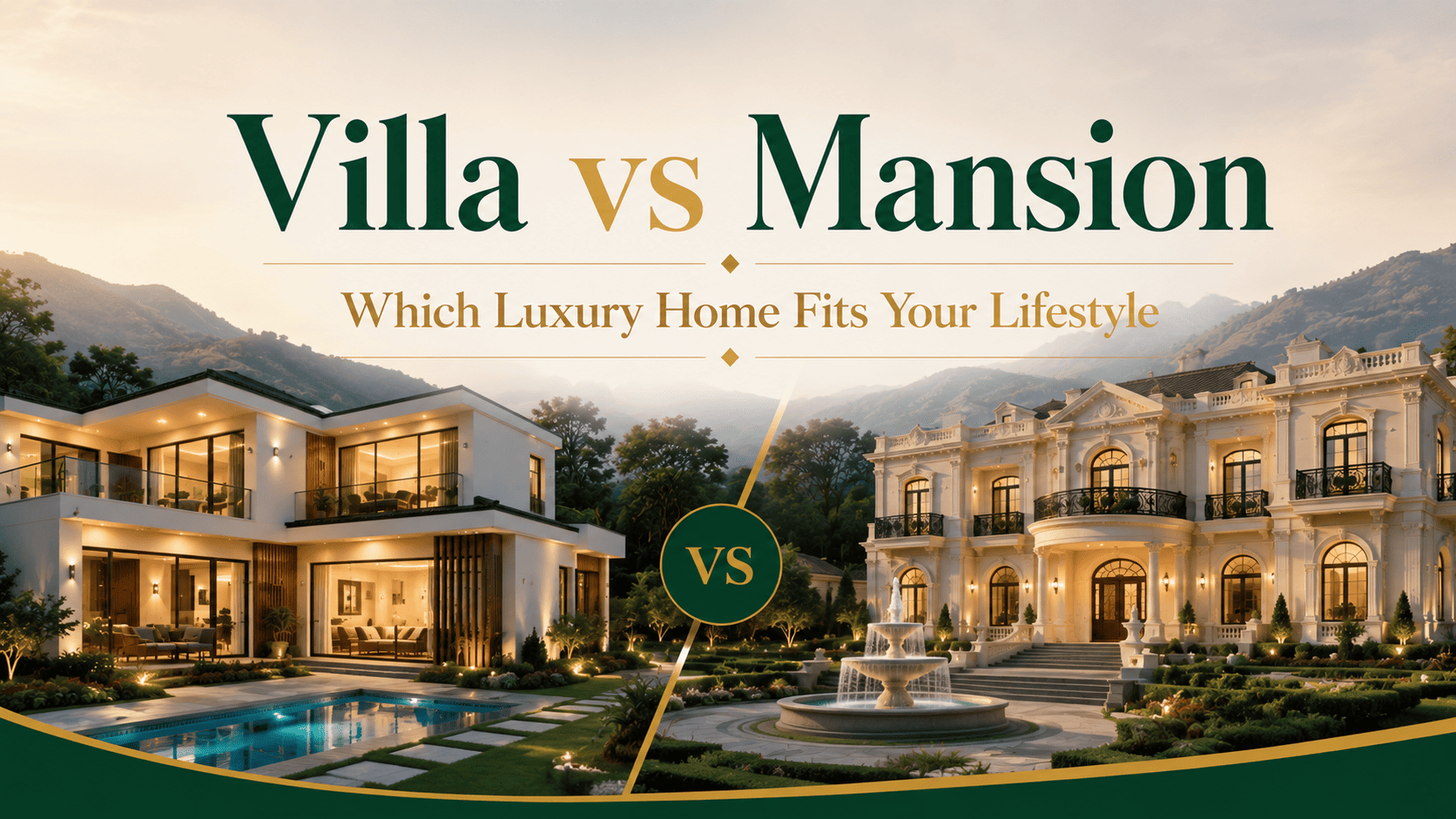
Villas
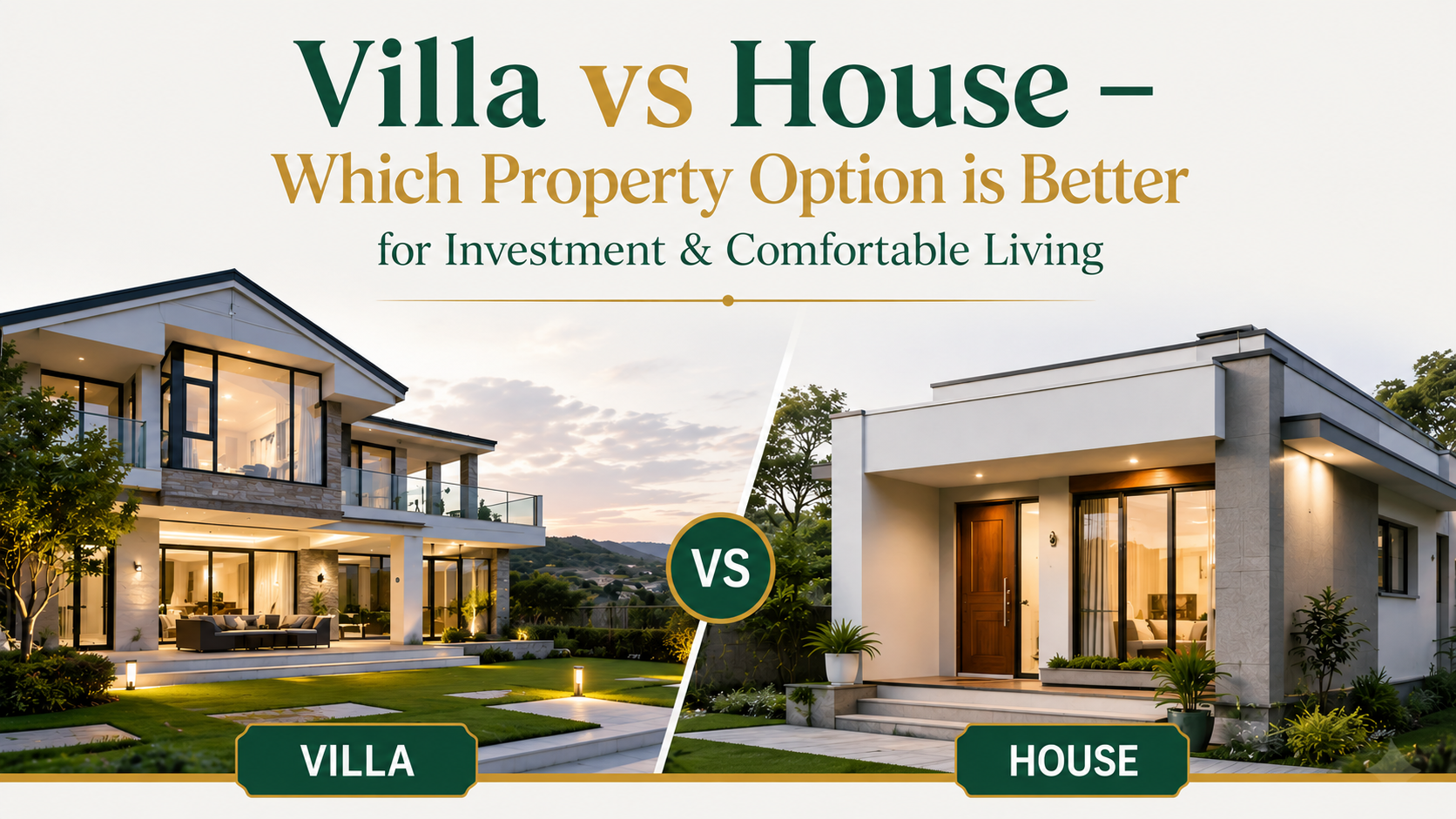
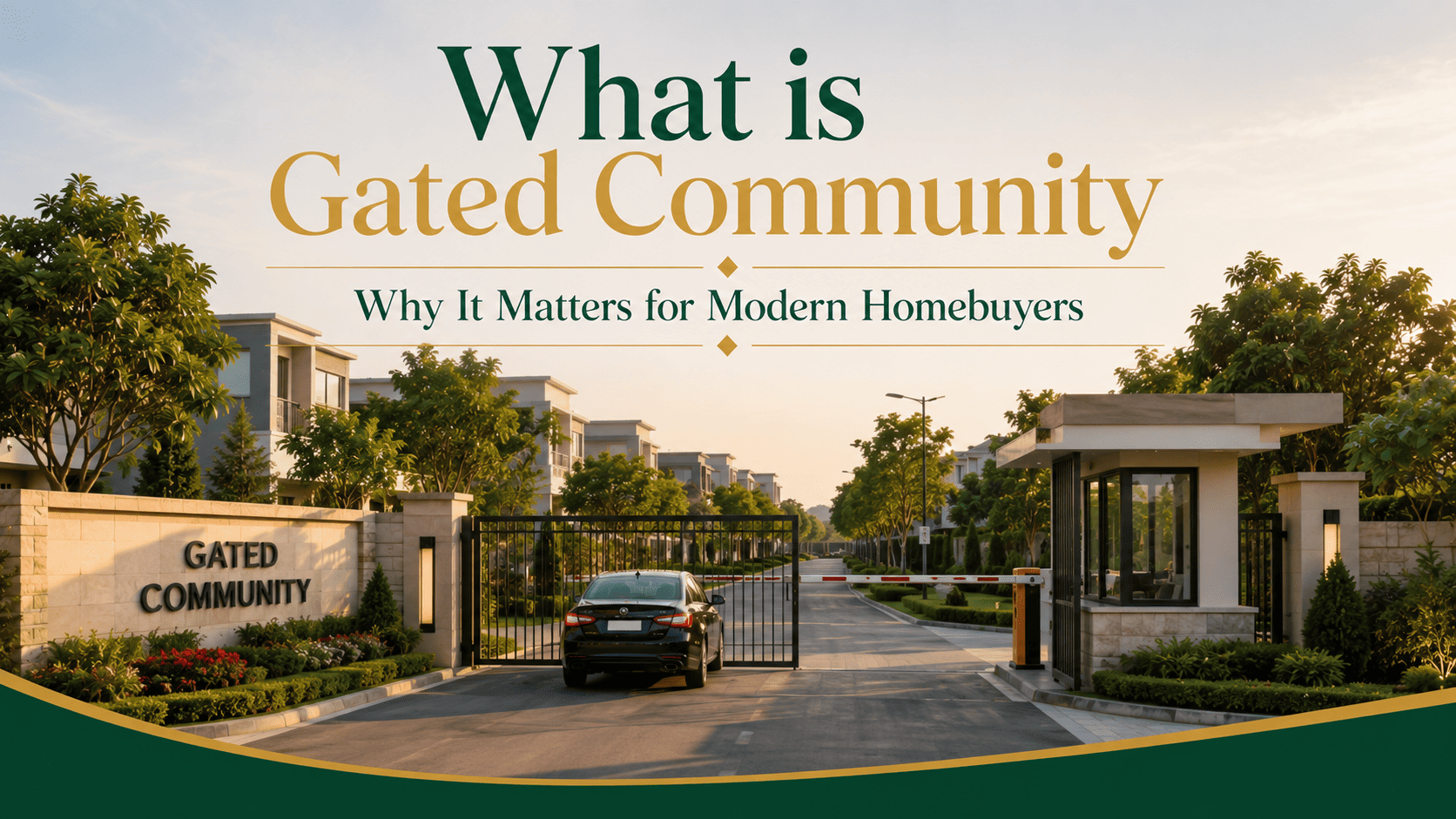
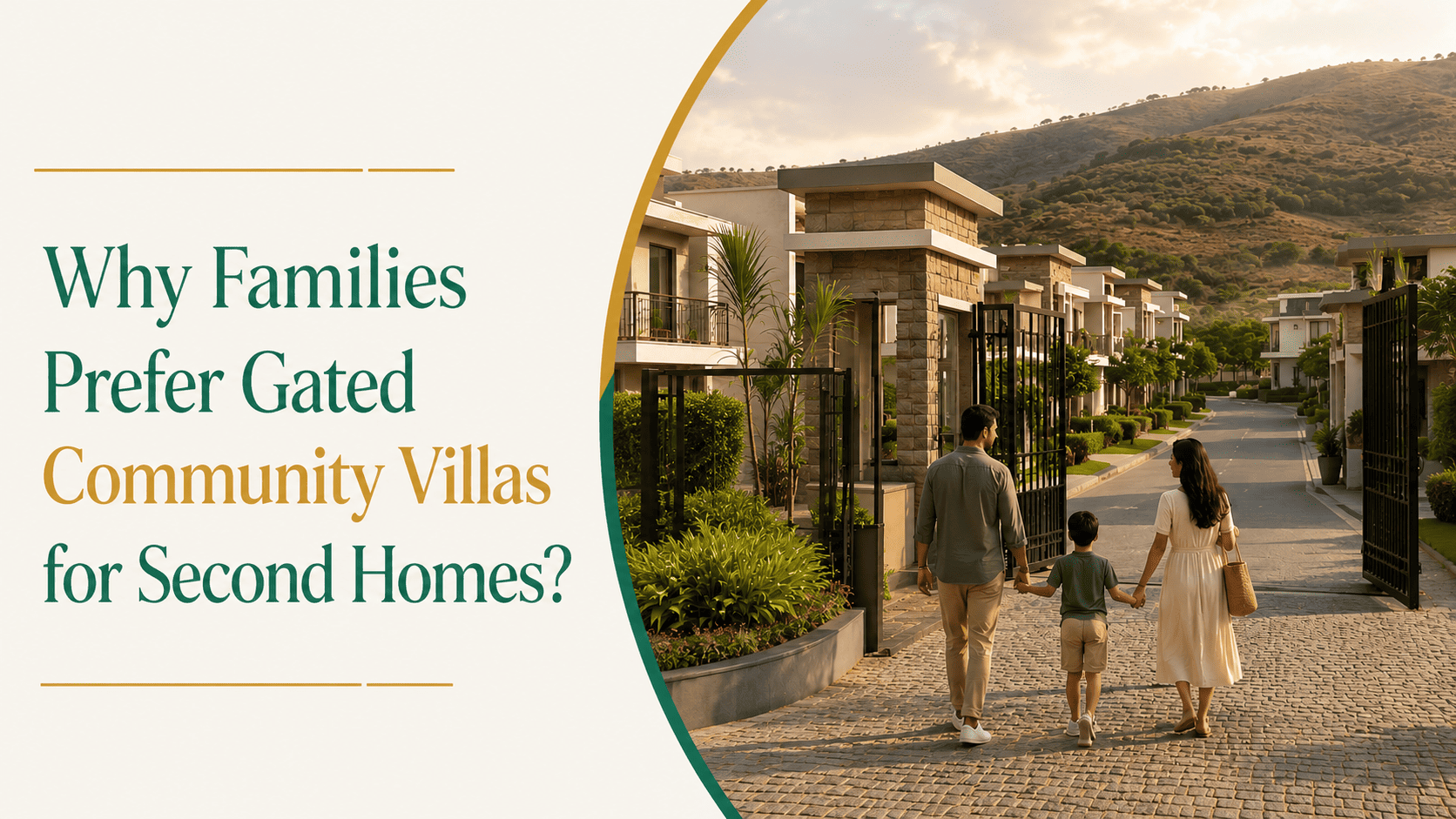
- A villa is a spacious independent home, usually located inside a gated community.
- Villas offer more privacy than apartments while also providing modern amenities such as security, clubhouses, parks, swimming pools, and landscaped gardens.
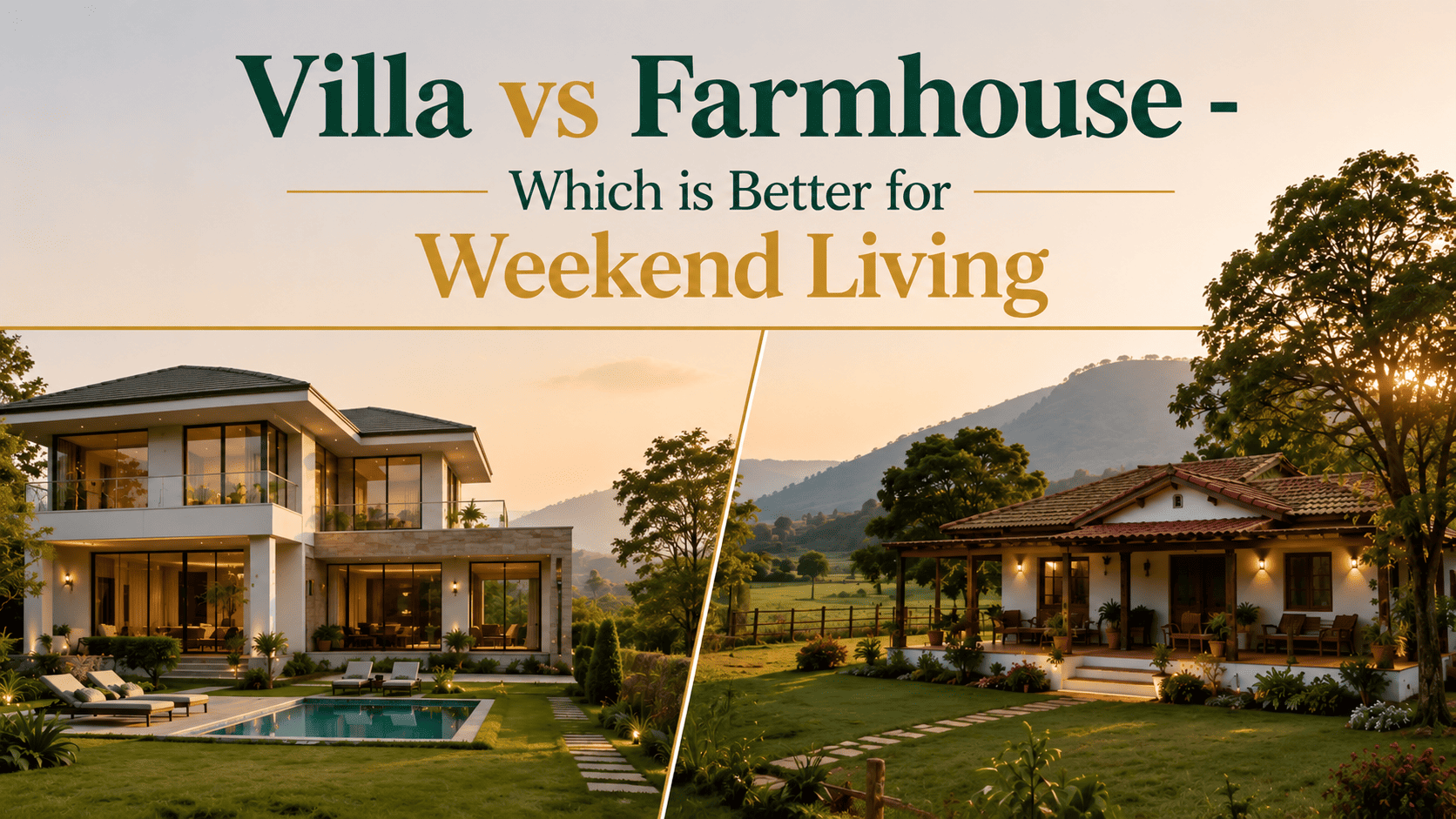
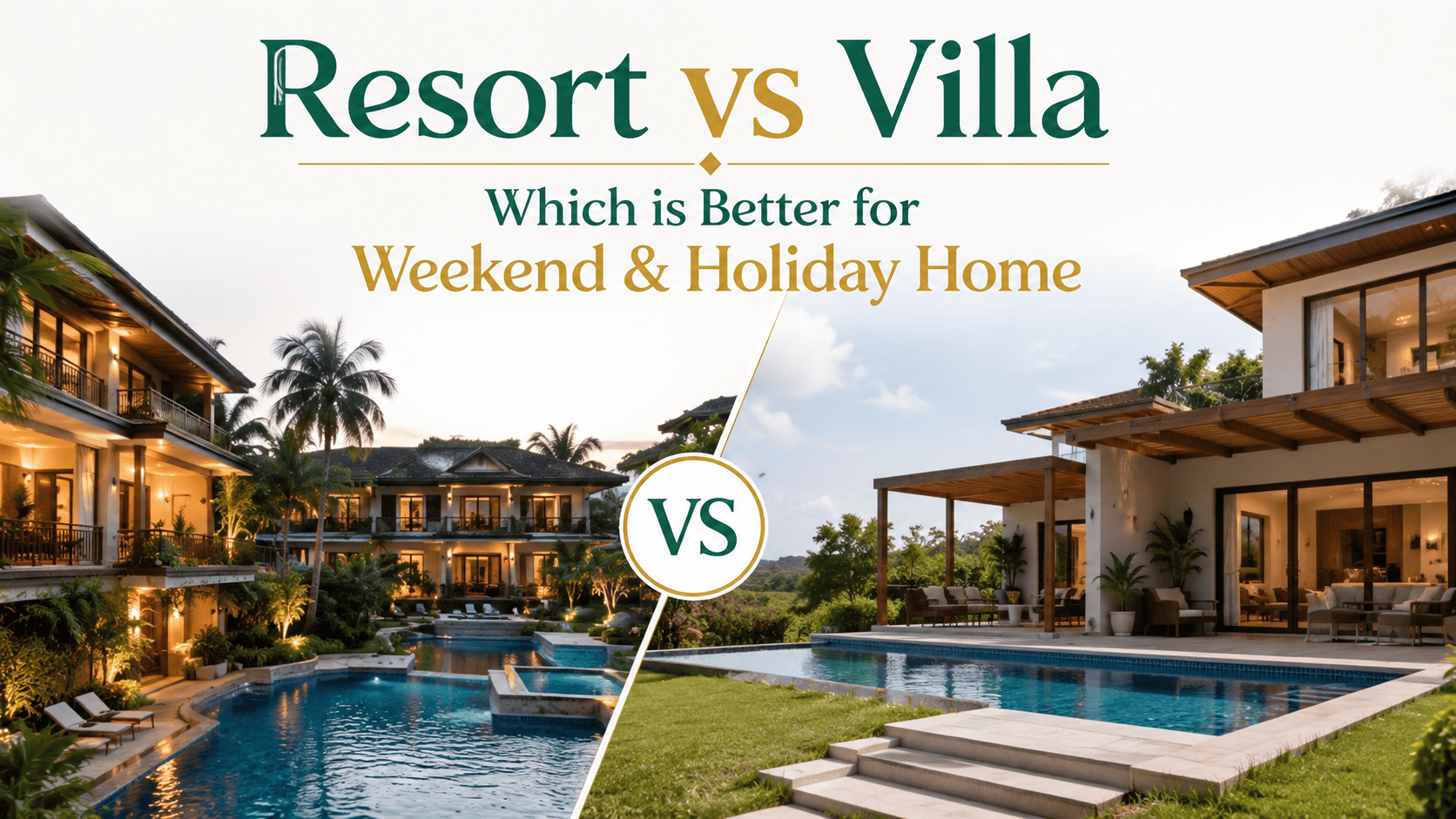
- Many families choose villas as permanent homes, weekend homes, or holiday homes because they offer peaceful surroundings and comfortable living.
Advantages of Villas
- High privacy
- Spacious rooms and outdoor areas
- Private garden and parking
- Modern amenities
- Good long-term investment value
Limitations
- Higher purchase price
- Maintenance costs are usually higher than apartments
Row Houses / Townhouses
- Row houses are homes built next to each other in a row.
- Each house has its own entrance, while side walls are shared with neighbouring homes.
- These homes are commonly found inside gated communities.
Advantages
- More privacy than apartments
- Private entrance
- Small garden or backyard
- Community security
- Better affordability than villas
Limitations
- Shared side walls
- Smaller plot than villas
- Limited outdoor space
Duplex Homes
- A duplex home has two floors connected by an internal staircase.
- It can be an apartment or an independent house.
- Many families like duplex homes because they provide separate living and sleeping areas.
Advantages
- More living space
- Suitable for joint families
- Better privacy between floors
- Stylish design
Limitations
- Staircases may not be suitable for elderly people
- Construction costs are usually higher
Penthouses
- A penthouse is a luxury home located on the top floor of a residential building.
- These homes usually have large terraces, spacious balconies, and beautiful city views.
- Penthouses are among the most premium residential properties.
Advantages
- Excellent views
- Luxury interiors
- More privacy than regular apartments
- Large outdoor spaces
Limitations
- Expensive
- Higher maintenance
- Dependence on lifts
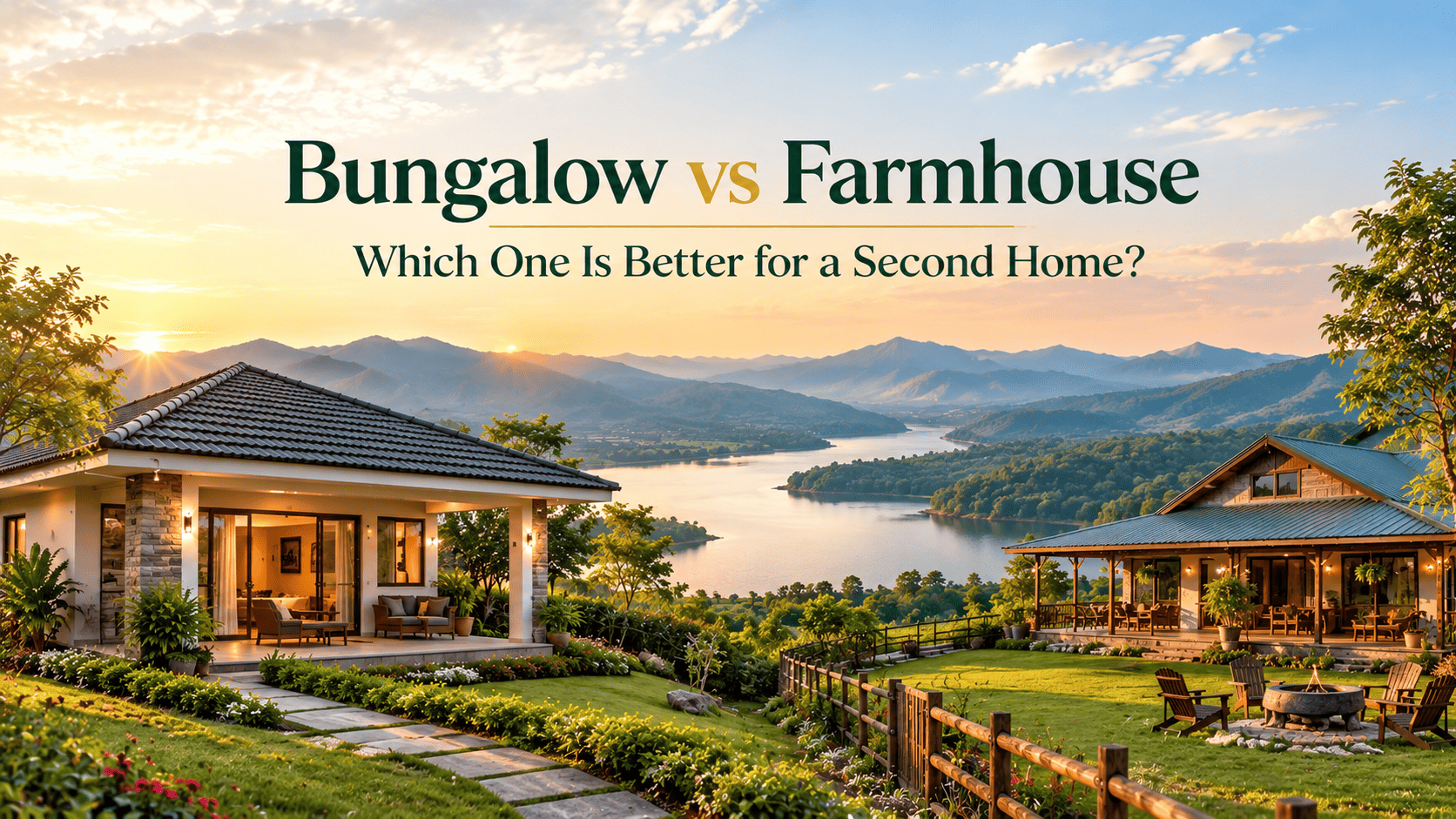
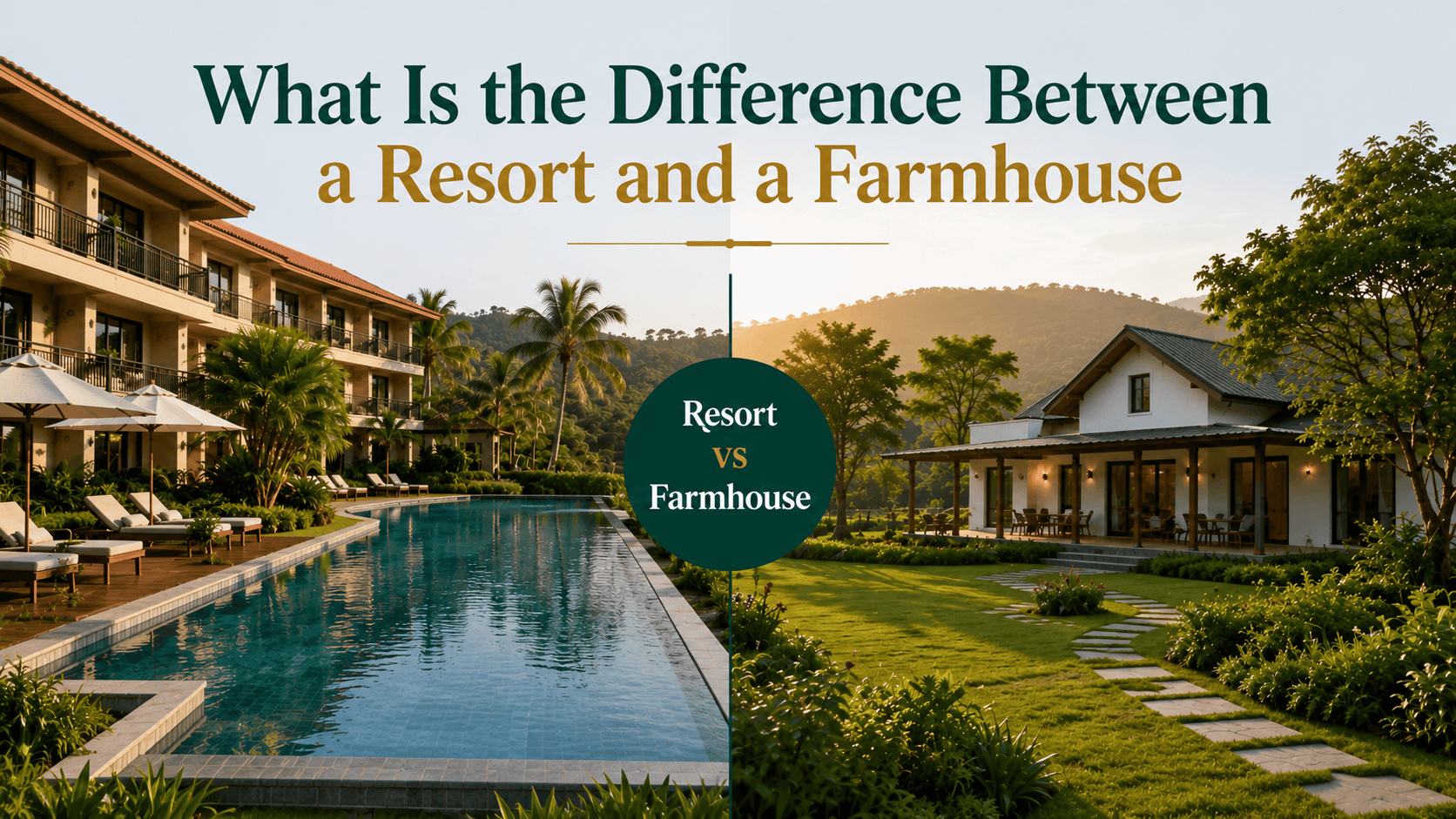
Farmhouses and Second Homes
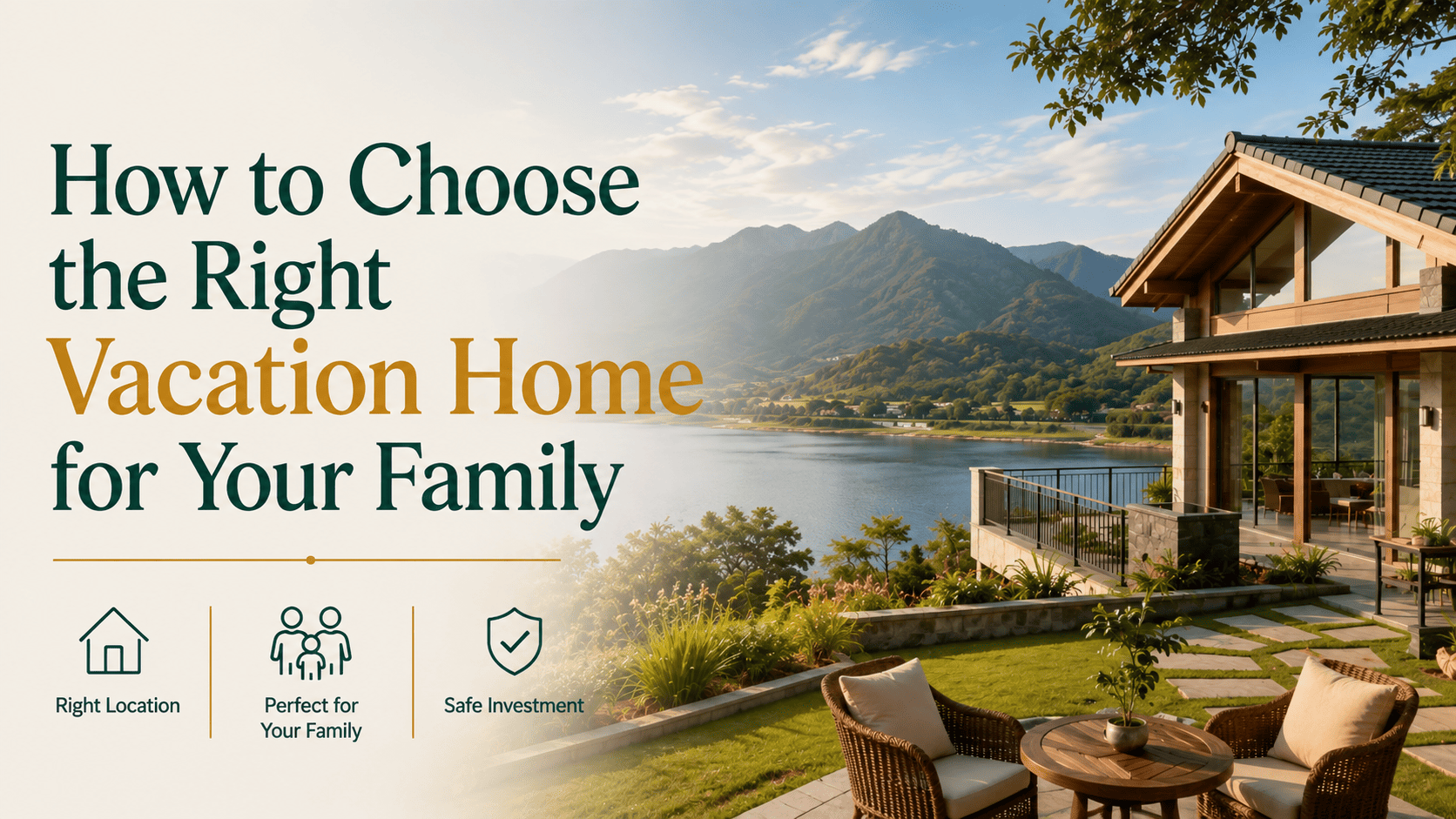
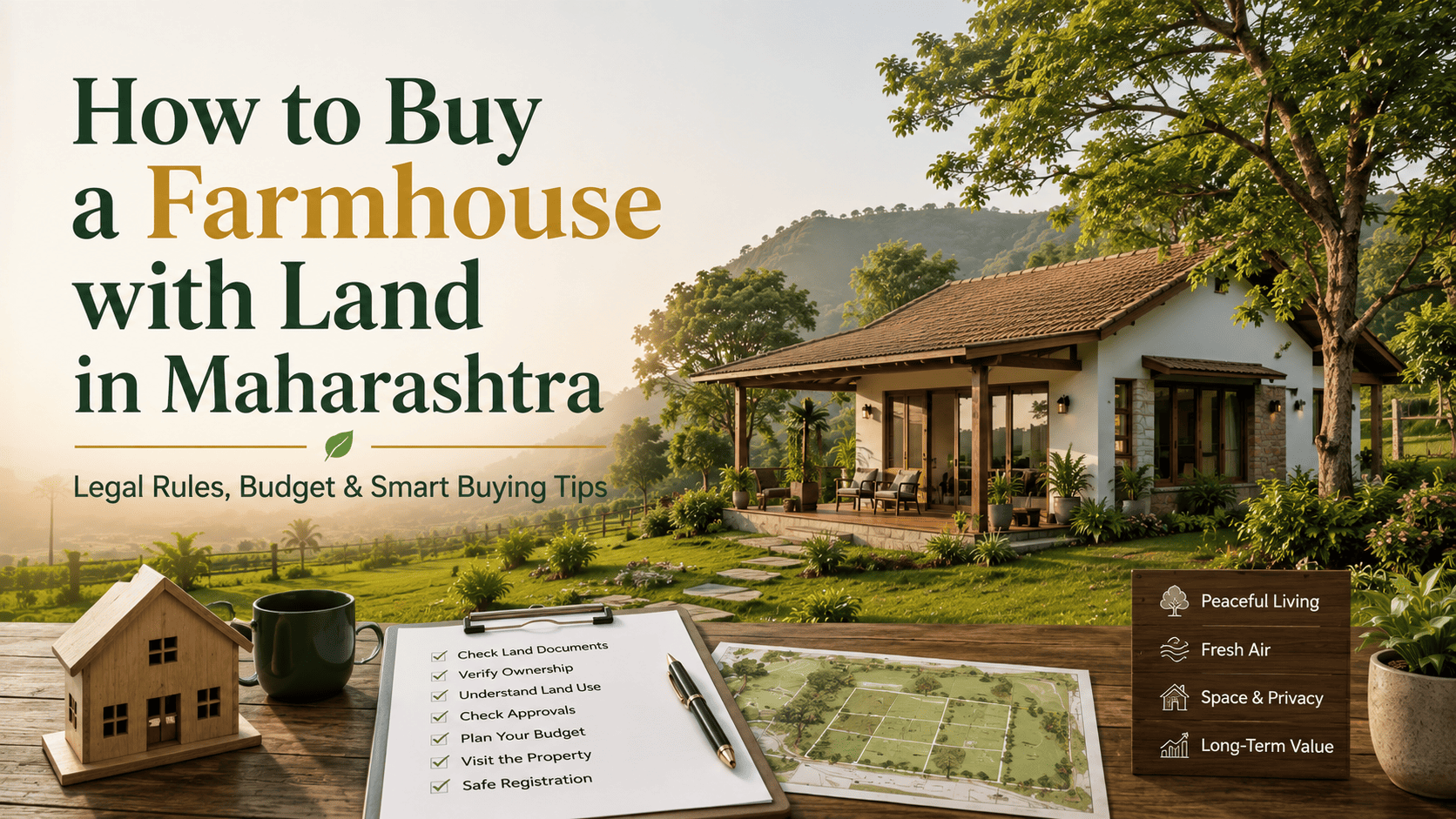
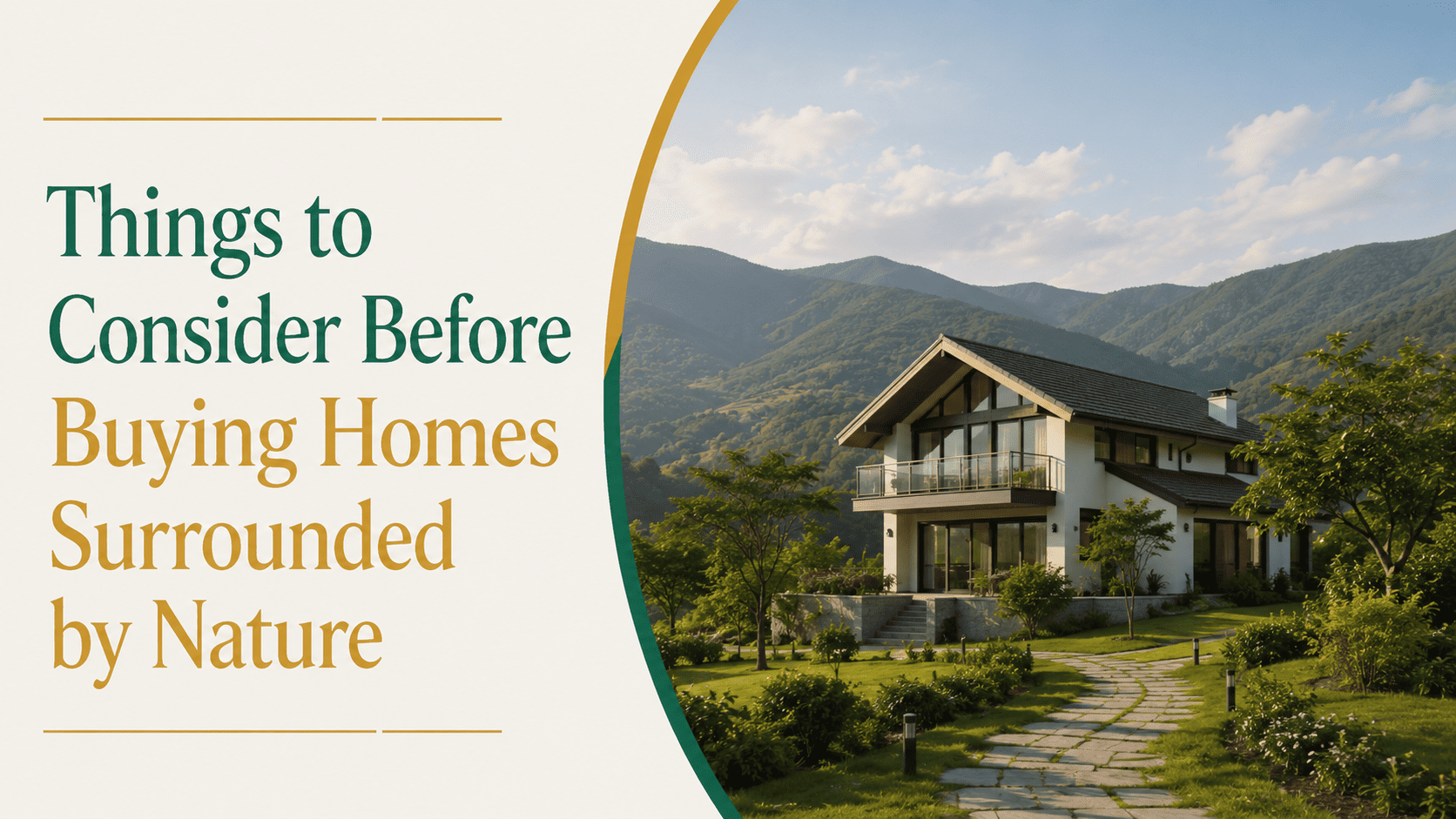
Farmhouses are homes located outside busy cities, usually surrounded by greenery, farms, hills, or lakes. Many people buy them as weekend homes, holiday homes, or retirement homes.
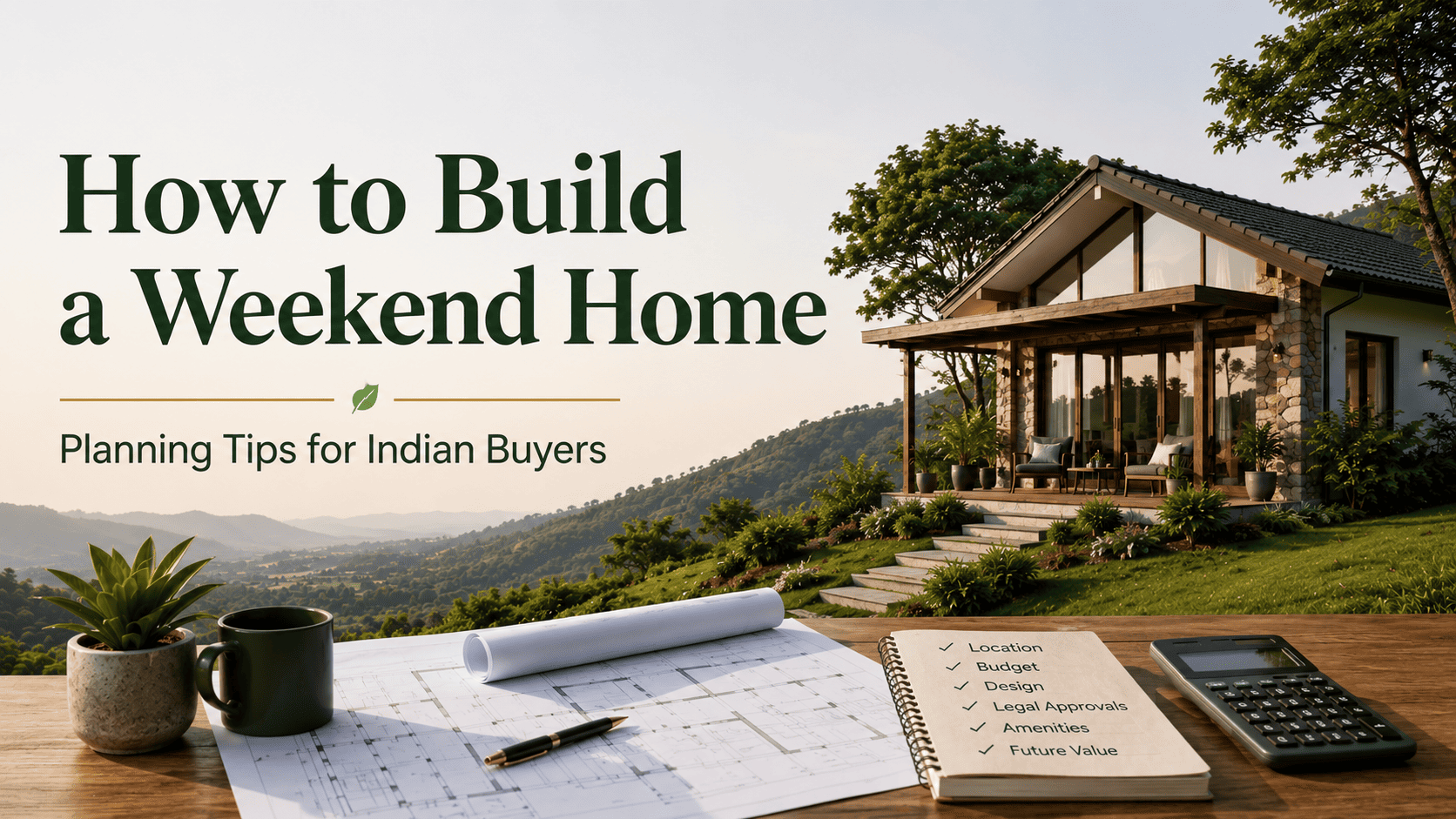
Second homes can include farmhouses, villas, or cottages located in peaceful destinations.
Advantages
- Peaceful surroundings
- Fresh air
- Spacious property
- Good weekend getaway
- Long-term investment potential
Limitations
- Located away from cities
- Maintenance requires planning
- Regular travel may be required
Cottages
- Cottages are small and cosy homes commonly found in hill stations, forests, or tourist destinations.
- They provide a peaceful lifestyle and are popular as holiday homes.
Advantages
- Comfortable
- Peaceful
- Lower maintenance
- Attractive surroundings
Limitations
- Smaller living space
- Limited amenities
Eco-Friendly Homes
Eco-friendly homes are designed to reduce energy use and protect the environment.
These homes may include:
- Solar panels
- Rainwater harvesting
- Energy-efficient lighting
- Natural ventilation
- Sustainable building materials
Advantages
- Lower electricity bills
- Environment-friendly
- Healthy living
- Long-term savings
Tiny Homes
- Tiny homes are compact houses with smart layouts and space-saving furniture.
- Although still uncommon in India, they are becoming popular among people who prefer a simple lifestyle.
Advantages
- Affordable
- Easy maintenance
- Lower utility costs
Limitations
- Limited space
- Not suitable for large families
Traditional Indian Homes
India also has many traditional home styles.
Kutcha Houses
- Built using mud, bamboo, wood, or thatch.
- Mostly found in rural areas.
Havelis and Kothis
- Large heritage homes with courtyards, thick walls, and traditional architecture.
- Many have now been restored as luxury homes or heritage properties.
Comparison of Different Home Types
Compare the different types of homes to understand their features, advantages, and choose the one that best fits your lifestyle and budget.
|
Home Type |
Privacy |
Space |
Maintenance |
Best For |
|
Apartment |
Medium |
Medium |
Easy |
City Living |
|
Independent House |
High |
Large |
High |
Families |
|
Villa |
Very High |
Large |
Moderate |
Luxury Living |
|
Row House |
High |
Medium |
Moderate |
Families |
|
Duplex |
High |
Large |
Moderate |
Joint Families |
|
Penthouse |
High |
Very Large |
Moderate |
Luxury Buyers |
|
Farmhouse |
Very High |
Very Large |
Moderate |
Weekend Homes |
|
Cottage |
High |
Small |
Easy |
Holiday Homes |
|
Eco Home |
High |
Medium |
Moderate |
Sustainable Living |
|
Tiny Home |
Medium |
Small |
Easy |
Minimal Lifestyle |
How to Choose the Right Home?
Choosing the right home depends on your lifestyle, family size, and budget.
Before buying a home, ask yourself these questions:
- What is my budget?
- How much space does my family need?
- Do I want privacy or community living?
- Will I live here permanently or only on weekends?
- Can I manage maintenance costs?
- Is the location suitable for my future plans?
Taking time to answer these questions will help you make the right decision.
Home Buying Checklist
Use this simple checklist to compare important factors before buying a home and choose the option that best suits your budget, lifestyle, and future plans.
|
Things to Check |
Why It Matters |
|
Budget |
Choose a home you can comfortably afford |
|
Location |
Easy access to schools, hospitals, and offices |
|
Family Size |
Select enough rooms for future needs |
|
Security |
Safe environment for your family |
|
Maintenance Cost |
Plan monthly expenses |
|
Future Value |
Better appreciation over time |
|
Amenities |
Improve comfort and lifestyle |
|
Legal Documents |
Ensure clear ownership |
Which Home is Best for You?
Find out which type of home is best for you based on your lifestyle, family needs, budget, and long-term goals.
|
Your Need |
Recommended Home |
|
Affordable City Living |
Apartment |
|
Maximum Privacy |
Independent House |
|
Luxury Living |
Villa |
|
Joint Family |
Duplex |
|
Premium Lifestyle |
Penthouse |
|
Weekend Home |
Farmhouse |
|
Holiday Home |
Cottage |
|
Sustainable Living |
Eco-Friendly Home |
Conclusion
There are many different types of homes, and each one offers unique benefits. The best home depends on your budget, lifestyle, family needs, and long-term plans. Before making a decision, compare different home types carefully and choose one that matches your future goals.
If you are looking for NA villa plots, second homes, tourist homes, or gated community villas, Nature Wealth offers thoughtfully planned projects surrounded by nature in Nashik. Our premium developments provide peaceful surroundings, modern infrastructure, excellent connectivity, and long-term investment value.
Whether you want to build your dream villa, own a weekend home, or invest in a fast-growing location, Nature Wealth has the perfect property for you.
Call us at +91 7066312129 or email us at info@naturewealth.in


.png)
.png)


.png)
_(1).png)