Buying a home is one of the most important decisions for any family or investor. Today, many property buyers in India are looking beyond apartments and exploring independent living options. This has increased interest in the villa vs house comparison, especially among people who want more space, privacy, and long-term value.
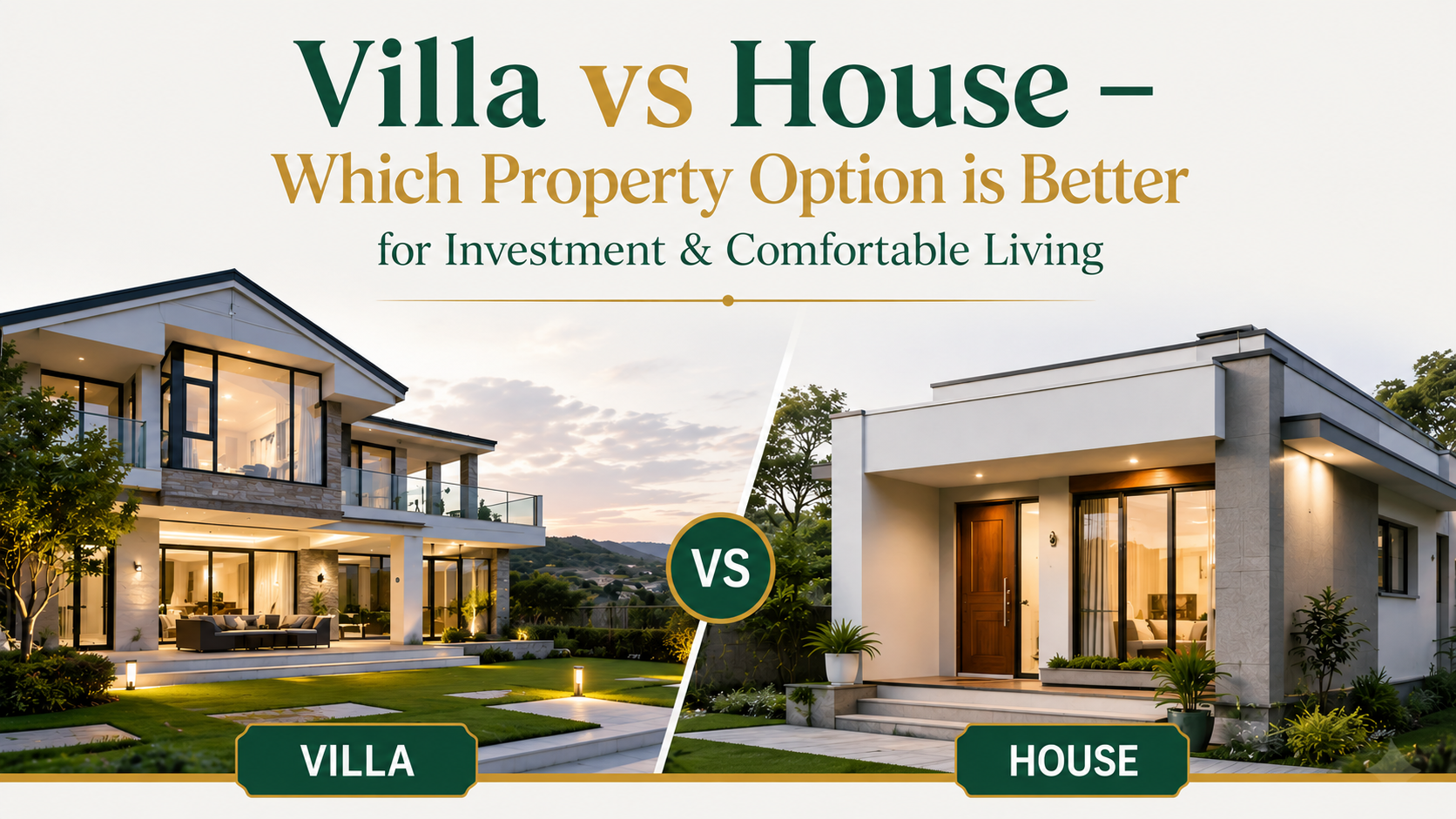
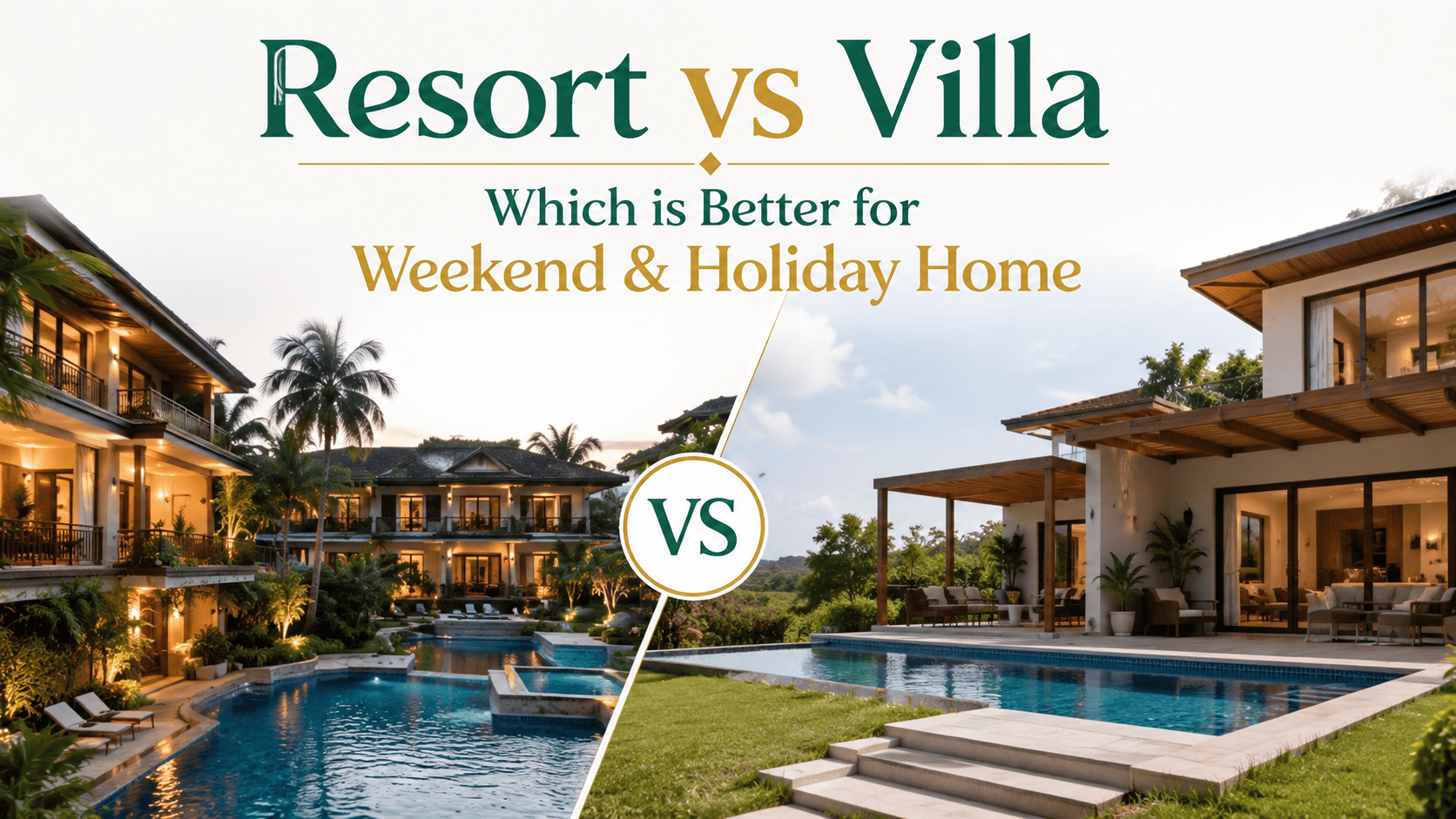
A villa is usually a premium home located in a gated community with modern amenities such as security, gardens, clubhouses, and recreational facilities. An independent house is a standalone residential property built on its own plot, offering complete ownership and freedom.
When comparing villa vs house, many buyers wonder which option is better for comfortable living and long-term investment. The answer depends on your budget, lifestyle preferences, future plans, and investment goals. This blog explains the key differences between villas and houses to help you make an informed decision.
What is a Villa?
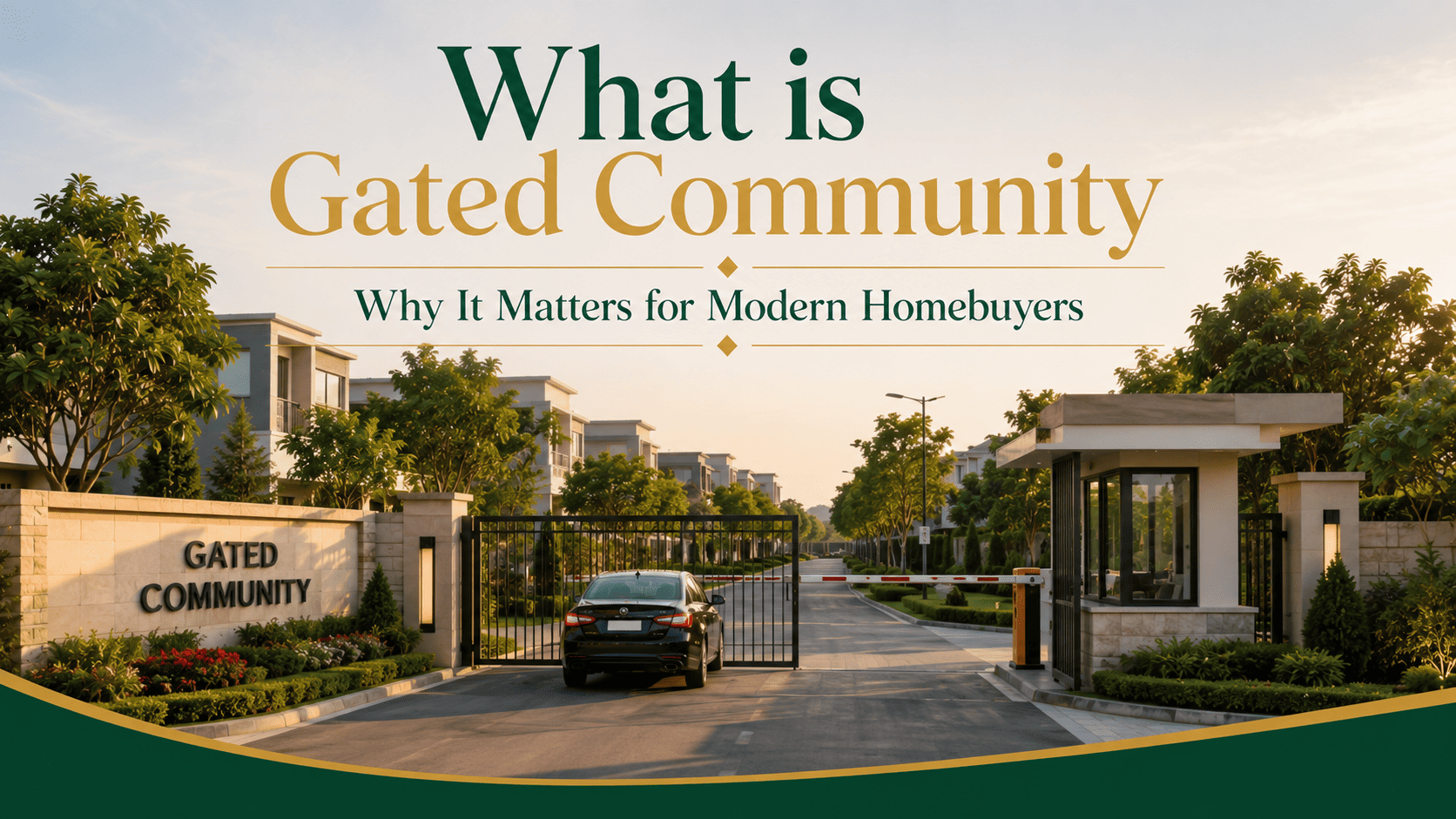
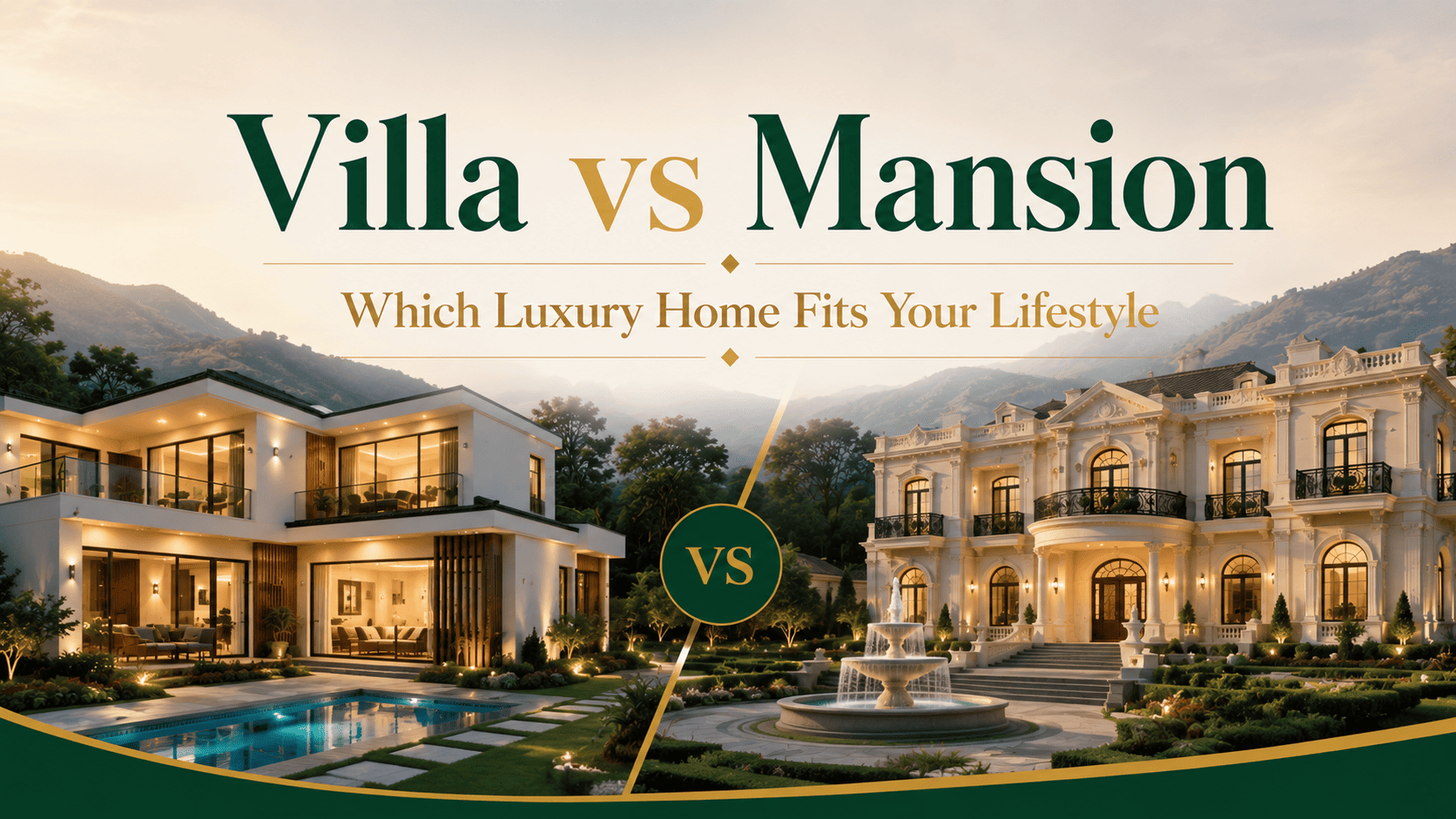
A villa is a spacious residential property that is usually part of a gated community or township. Villas are designed to provide a premium lifestyle with modern architecture, landscaped surroundings, and access to shared amenities.
Common villa amenities include:
- Clubhouse
- Swimming pool
- Garden areas
- Children's play zones
- Walking tracks
- Security services
Villas are popular among families looking for luxury, privacy, and community living.
What is a House?
An independent house is a standalone residential building constructed on an individual plot of land. It is not necessarily part of a gated community and can be located in cities, suburbs, or rural areas.
Independent houses offer:
- Complete ownership of land and building
- Freedom to renovate or expand
- Flexible design options
- Greater control over the property
Villa vs House - Complete Comparison of Property
Compare villas and independent houses in terms of cost, amenities, lifestyle, privacy, maintenance, and investment potential to choose the right property for your needs.
|
Feature |
Villa |
House |
|
Location |
Villas are usually located in premium gated communities, suburbs, or developing areas with a peaceful environment. |
Independent houses can be built in cities, suburbs, villages, or any residential area. |
|
Design and Architecture |
Villas generally have modern designs, premium interiors, larger windows, and luxury features. |
Houses can have simple or custom designs based on the owner's budget and preferences. |
|
Amenities |
Often include amenities such as a clubhouse, swimming pool, gym, parks, jogging tracks, children's play areas, and security. |
Usually do not include shared amenities and depend on nearby public facilities. |
|
Privacy |
Offer good privacy along with a planned community environment. |
Provide complete privacy as there are no common areas or shared facilities. |
|
Security |
Gated communities usually have CCTV cameras, security guards, and controlled entry points. |
Owners need to arrange their own security measures such as gates, cameras, and guards. |
|
Lifestyle |
Suitable for buyers looking for luxury living, community interaction, and modern facilities. |
Ideal for people who prefer independent living and complete control over their property. |
|
Neighbourhood |
Residents often belong to similar income groups and share common lifestyle preferences. |
Neighbourhoods can vary greatly depending on the location and area. |
|
Luxury Factor |
Villas are considered premium properties with high-end features and surroundings. |
Houses focus more on comfort and practicality than luxury. |
|
Investment Potential |
Can appreciate well in popular gated communities with strong demand. |
Property value mainly depends on land appreciation and location growth. |
|
Loan Availability |
Home loans are generally easier to obtain for approved villa projects. |
Loan approval depends on land documents, construction approvals, and property condition. |
|
Maintenance |
Common area maintenance, gardening, security, and infrastructure are managed by the society for a maintenance fee. |
The owner is responsible for all repairs, maintenance, gardening, and security. |
|
Customization |
Limited structural changes due to community rules and project guidelines. |
Full freedom to renovate, extend, or redesign the property. |
|
Ownership |
Ownership includes the villa along with a share in common amenities and infrastructure. |
Complete ownership of both the land and the building. |
|
Best For |
Families seeking security, modern amenities, and a premium lifestyle. |
Buyers looking for flexibility, land ownership, and long-term property control. |
Advantages of Villas
- Premium lifestyle
- Modern amenities
- Better security
- Planned communities
- Attractive rental potential
- Suitable for families and NRIs
Disadvantages of Villas
- Higher purchase cost
- Monthly maintenance charges
- Limited structural modifications
- Community rules and restrictions
Advantages of Independent Houses
- Full ownership of land
- Complete design freedom
- Easier future expansion
- No society maintenance fees
- Strong long-term land appreciation
Disadvantages of Independent Houses
- Self-managed maintenance
- Additional security responsibilities
- Infrastructure quality depends on locality
- Higher effort required for upkeep
Legal Checklist Before Buying Villa and House
Check all important property documents and approvals before buying a villa or house to avoid legal problems in the future.
Villa
- Verify the title deed to confirm clear ownership of the property.
- Check the occupancy certificate and all required approvals.
- Ensure the land has the proper permissions for residential use.
- Review municipal records to confirm the construction is legally approved.
- Verify that the villa has no legal disputes or pending liabilities.
- Consult a property lawyer before making the final purchase.
- Carefully check all documents to ensure your investment is safe and secure.
House
- Verify the title deed to ensure the property ownership is clear.
- Confirm that the seller has the legal right to sell the property.
- Check all property documents carefully before making payment.
- Ensure there are no pending loans, legal disputes, or claims on the property.
- Verify property tax records and government approvals.
- Consult a property lawyer for document verification.
- Complete proper legal checks to avoid future problems and financial risks.
How to Decide Between a Villa and House?
Compare your budget, lifestyle, location preferences, and long-term goals to decide whether a villa or house is the right choice for you.
Choose a Villa If
- You want a premium and comfortable lifestyle.
- You prefer modern amenities like a clubhouse, gym, swimming pool, and parks.
- Security is important to you.
- You want a well-maintained gated community.
- You do not want the hassle of managing maintenance and common areas yourself.
- You enjoy living in a planned community with like-minded neighbours.
Choose an Independent House If
- You want complete freedom to design, modify, or expand your home.
- You prefer full ownership of both the land and the building.
- You do not want to pay monthly maintenance or society charges.
- Privacy and independence are your top priorities.
- You want more control over your property's upkeep and management.
- You are looking for a long-term asset with strong land appreciation potential.
Conclusion
There is no single winner in the villa vs house comparison. The right choice depends on your lifestyle, financial goals, and long-term plans. Villas offer modern amenities, security, and community living, while independent houses provide complete ownership, flexibility, and stronger land-based value appreciation.
Looking for the perfect place to build your dream villa or independent house?
Nature Crest is a premium gated community spread across 10 acres of beautiful hillside surroundings, offering ready-to-sale plots ranging from 5,000 to 7,000 sq. ft. With only 34 thoughtfully planned plots, it provides the ideal opportunity to build a spacious villa or house exactly the way you want.
FAQS
1. Are villas bigger than houses?
Yes, villas are usually larger than regular houses and often include extra space, gardens, and premium features.
2. How do I know if my house is a villa?
A villa is generally a spacious, independent home with modern amenities, privacy, and a premium design.
3. What are the types of villas?
Villas can be classified based on their design, layout, location, and the type of community they are part of.
4. How many bedrooms are in a villa?
Most villas have 3 to 4 bedrooms, but the number can vary depending on the size and design of the property




.png)
.png)









.png)
.png)


_(1).png)