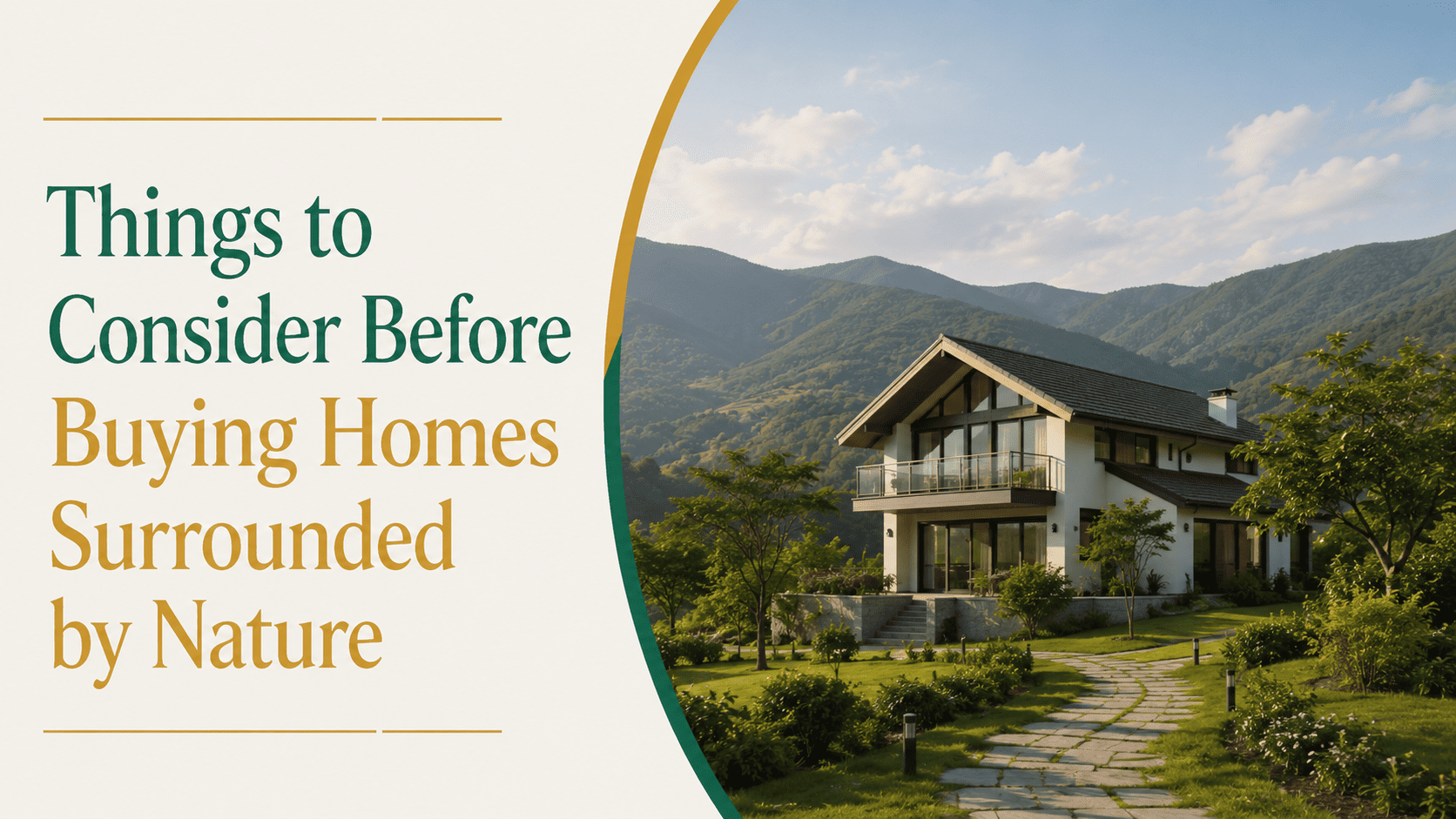
Imagine waking up to fresh air, green views, and the sounds of nature instead of traffic and crowded streets. It is no surprise that more people today are exploring homes surrounded by nature as a way to enjoy a calmer and healthier lifestyle.
The growing focus on wellness, sustainability, and flexible living has changed what buyers look for in a home. Natural surroundings can offer more space, privacy, and a stronger connection to the outdoors. However, a peaceful location does not always mean the right investment.
Before making a decision, it is important to look beyond the scenery and understand practical factors that can affect comfort, convenience, and long-term value.
Why Are Homes Surrounded by Nature Becoming Popular?
Homes surrounded by nature are becoming more popular as more people focus on better quality of life. There is a growing shift toward wellness, sustainability, and flexible living after the pandemic.
Natural surroundings offer a break from crowded cities and busy lifestyles. They provide more open space, cleaner environments, and a stronger connection to the outdoors.
Some common reasons people choose homes surrounded by nature include:
- More peace and privacy
- Better opportunities for outdoor activities
- Less noise compared to city areas
- Beautiful natural views and open spaces
- More room for families and pets
- Potential benefits for overall wellbeing
- Greater flexibility for remote and hybrid work
While these benefits make nature-based living attractive, it is still important to carefully evaluate the property before making a purchase.
Check the Location and Accessibility
Nature-focused homes are often located farther from city centers. Before buying, understand how easily you can access daily essentials.
Ask questions such as:
- How far is the nearest grocery store?
- Are hospitals nearby?
- Is public transport available?
- How long is the commute to work?
- Are roads usable during all seasons?
A beautiful location can become inconvenient if basic services are difficult to reach.
Location Checklist
|
Factor |
Questions to Ask |
|
Healthcare |
Is emergency care nearby? |
|
Schools |
Are good schools accessible? |
|
Transportation |
Are roads maintained year-round? |
|
Shopping |
Are essential stores nearby? |
|
Internet |
Is reliable broadband available? |
Understand Weather and Environmental Conditions
Natural surroundings can create environmental risks that affect daily life.
Before buying homes surrounded by nature, research:
- Flood history
- Heavy rainfall patterns
- Heat exposure
- Storm frequency
- Soil stability
- Seasonal access issues
Some areas may look attractive during one season but become difficult during others.
You should also ask for previous maintenance records and local environmental reports.
Evaluate Property Maintenance Requirements
Homes located close to forests, lakes, mountains, or large green areas often require more maintenance.
Common maintenance responsibilities include:
- Landscaping
- Pest control
- Roof inspections
- Drainage management
- Tree trimming
- Outdoor cleaning
Typical Maintenance Comparison
|
Maintenance Area |
Urban Home |
Nature-Surrounded Home |
|
Yard Maintenance |
Low |
High |
|
Pest Management |
Moderate |
Higher |
|
Exterior Cleaning |
Moderate |
Frequent |
|
Drainage Monitoring |
Moderate |
Important |
Understanding these responsibilities helps avoid unexpected costs later.
Check Utility and Infrastructure Availability
Natural locations may not always offer the same infrastructure as urban developments.
Review the availability of:
- Electricity supply
- Water source and quality
- Internet speed
- Mobile network coverage
- Sewage systems
- Backup power options
If you work remotely, internet reliability becomes especially important.
Review Environmental and Building Regulations
Certain natural areas have strict development rules.
Before purchasing homes surrounded by nature, check:
- Land-use permissions
- Environmental protection restrictions
- Expansion limitations
- Tree removal policies
- Construction approvals
Understanding regulations early prevents legal complications later.
Assess Safety and Emergency Access
Nature-based living can sometimes increase exposure to environmental and safety concerns.
Consider:
- Distance to emergency services
- Fire response times
- Flood migration routes
- Wildlife activity
- Security systems
Safety Questions to Ask
- Is emergency access available year-round?
- Does the property have proper outdoor lighting?
- Are security measures installed?
- Is there reliable mobile reception?
A peaceful location should still support safe living.
Think About Long-Term Property Value
Buying a home is a long-term investment.
Factors that may affect future value include:
- Nearby infrastructure projects
- Local population growth
- Tourism development
- Environmental protection changes
- Demand for nature-focused housing
Many buyers choose homes surrounded by nature because demand for healthier and quieter living environments continues to grow.
However, future resale opportunities should also be considered.
Observe the Natural Environment Carefully
Not every nature-rich area offers the same living experience.
Visit the property multiple times and pay attention to:
- Noise levels
- Sunlight exposure
- Air movement
- Wildlife presence
- Water drainage
- Seasonal changes
Morning and evening visits often reveal different conditions.
Understand Community and Lifestyle Fit
Living in a nature-focused environment can feel very different from city living.
Consider whether you are comfortable with:
- Fewer nearby entertainment options
- Smaller local communities
- Outdoor-focused activities
- Slower daily routines
Ask yourself:
Does this environment match how I want to live long term?
Choosing homes surrounded by nature should support both practical needs and personal lifestyle goals.
Calculate the Total Cost Beyond Purchase Price
The listed property price is only one part of ownership costs.
Additional expenses may include:
- Property taxes
- Landscape upkeep
- Transportation costs
- Insurance
- Utility upgrades
- Outdoor maintenance
Example Cost Planning
|
Expense Type |
Consideration |
|
Purchase Price |
Initial investment |
|
Insurance |
Environmental coverage |
|
Utilities |
Installation and upgrades |
|
Maintenance |
Ongoing upkeep |
|
Transportation |
Travel expenses |
Questions to Ask Before Buying
Before making your final decision, ask:
- Why is the owner selling?
- What maintenance has been completed?
- Are there environmental concerns?
- How are utilities managed?
- What are seasonal conditions like?
- Are future developments planned nearby?
These questions provide a clearer understanding of the property.
Conclusion
Buying homes surrounded by nature can give you a peaceful lifestyle, beautiful views, and a closer connection to the outdoors. It can be a great choice for people looking for more space, comfort, and a quieter environment. Check factors like location, access to essential services, maintenance needs, safety, environmental conditions, and future property value.
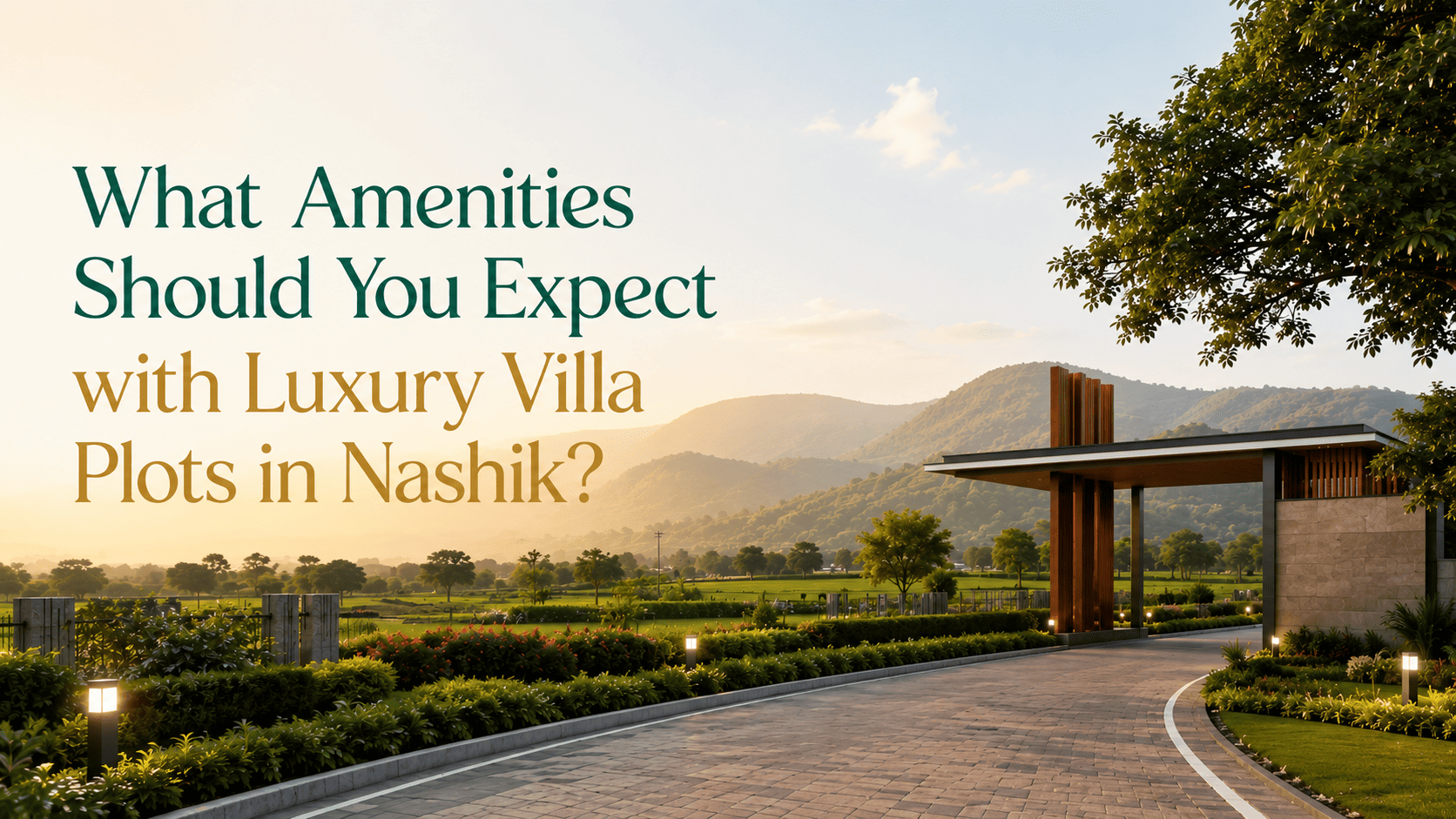
Looking for a peaceful place close to nature? HillTop Haven by Nature Wealth is a gated community spread across 10 acres of beautiful land surrounded by hills. It has only 34 villa plots ranging from 5,000 to 7,000 sq. ft., where you can build your dream villa or independent house. Enjoy fresh air, beautiful mountain views, and a calm lifestyle while staying well connected to the highway.
Want to know more or book a site visit? Call us at +91 7066312129 or email us at info@naturewealth.in
Frequently Asked Questions
1. What are the important things to check before buying a house?
Check the location, budget, legal documents, nearby facilities, and future property value before buying a house.
2. Should I buy a house with a tree close to it?
Yes, if the tree is healthy and does not affect the home's foundation, plumbing, or safety.
3. What is the best advice for first-time home buyers?
Set your budget, verify all legal documents, inspect the property, and choose a location that suits your future needs.
4. What are the three qualities of a good house?
A good house should have a great location, strong construction, and a comfortable layout with enough space and natural light

.png)
.png)



.png)
.png)
_(1).png)